Additional Equipment and Materials
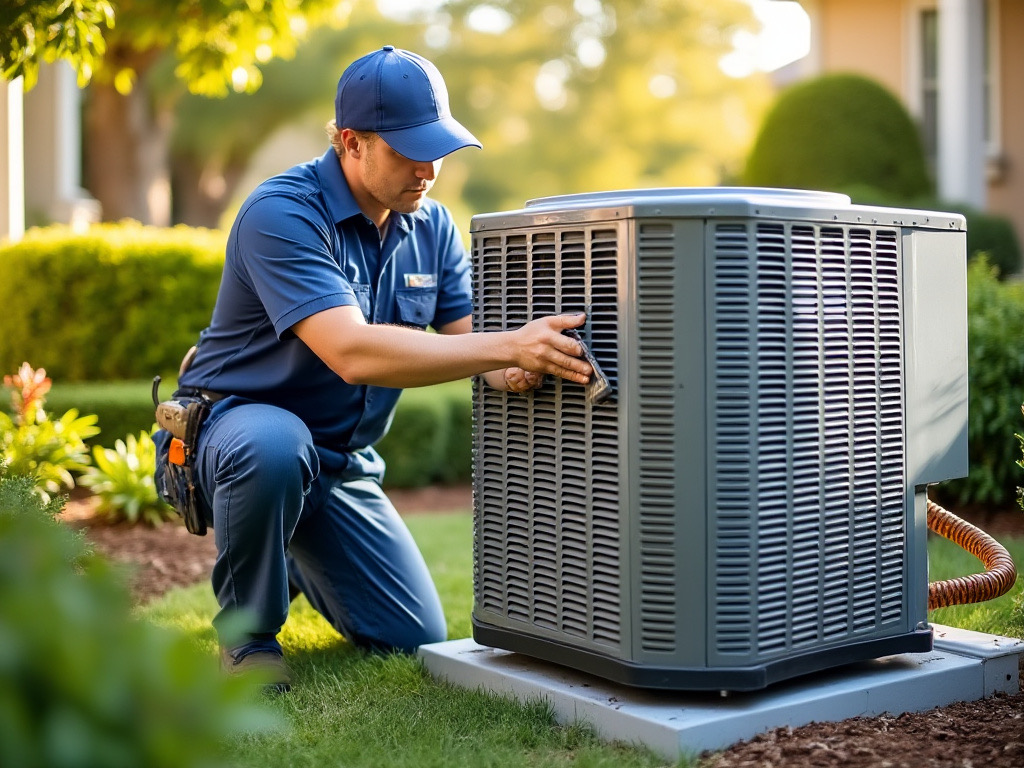
When considering the installation of a heat pump, additional equipment and materials can significantly impact the overall cost. Components such as ductwork, thermostats, or insulation may be necessary to optimize the system's efficiency. If an existing heating or cooling system needs to be modified, these adjustments can incur extra expenses. Homeowners should also be aware that the quality and brand of the heat pump itself can influence costs related to these additional materials.
Moreover, professional installation is essential for ensuring proper function and efficiency, which may lead to further costs. Companies providing Heat Pump Installation and Repair often have specific requirements for the equipment that must be met, affecting the final price. It's crucial to consult with qualified professionals who can assess individual needs and recommend any supplementary materials that may enhance system performance.
Items that Add to Overall Costs
Several factors can influence the overall cost of a heat pump installation. Required modifications to your existing ductwork can significantly add to expenses. In some cases, new ductwork may be needed depending on the type of system you choose. The complexity of the installation process may also lead to increased labor costs, especially if there are unique challenges posed by your property’s layout.
Additional equipment and materials can further elevate your investment. For instance, an enhanced thermostat or backup heating system often becomes necessary for optimal performance. Homeowners should also consider potential costs for permits or inspections, which can vary by location. All these elements are crucial when budgeting for heat pump installation and repair, as they contribute to the total price tag.
Potential Energy Savings
Heat pumps are known for their efficiency in transferring heat rather than generating it, which can significantly reduce energy consumption. Homeowners who switch to a heat pump often experience a noticeable decrease in their energy bills. This efficiency translates into direct financial savings over time. The initial investment for heat pump installation may seem higher than traditional heating systems, but the long-term savings can make up for this upfront cost.
In addition to lower utility bills, heat pumps contribute to a more sustainable energy approach. By utilizing electricity more efficiently, they reduce reliance on fossil fuels. Many find that the environmental benefits combined with financial savings create a compelling case for choosing heat pumps. Reliable service for heat pump installation and repair further ensures that homeowners can maximize their energy savings and maintain the system's efficiency over its lifespan.
Long-Term Financial Benefits of Heat Pumps
Investing in a heat pump can lead to significant long-term financial benefits. Heat pumps are known for their high energy efficiency, which often translates to lower utility bills compared to conventional heating systems. Over time, these savings can offset the initial cost of heat pump installation and repair. Homeowners frequently experience reductions in their monthly energy costs, contributing to a quicker return on investment.
Moreover, heat pumps typically have longer lifespans than traditional heating systems. The durability of heat pumps reduces the frequency and expense of replacements, giving homeowners financial peace of mind. Additionally, some regions offer tax credits and rebates for upgrading to heat pump systems, further enhancing the long-term savings. Making this choice can be a wise financial decision for both comfort and budget considerations.
Government Incentives and Rebates
Government incentives and rebates play a significant role in reducing the upfront costs associated with heat pump installation and repair. Many states and local governments offer financial programs to encourage homeowners to transition to energy-efficient heating solutions. These incentives may come in the form of tax credits, cash rebates, or low-interest financing options. Homeowners should research available programs in their area, as eligibility and amounts can vary widely depending on the location and specific heat pump model chosen.
Additionally, some utility companies provide rebates for customers who install energy-efficient equipment, including heat pumps. These programs aim to promote energy conservation and can lead to substantial savings over time. Homeowners can maximize their savings by combining multiple incentives. It's important to contact energy providers and local authorities to stay informed about current offerings in order to fully benefit from Heat Pump Installation and Repair initiatives.
How to Take Advantage of Available Programs
Homeowners looking to benefit from government incentives and rebates for heat pump installations should start by researching local and federal programs tailored to energy-efficient upgrades. Many utilities offer specific rebates for heat pump installations and repairs. Gathering information directly from utility providers and government websites can reveal valuable opportunities. Resources such as the Database of State Incentives for Renewables & Efficiency (DSIRE) can help identify programs that may be available in your area.
Once you identify potential programs, it’s essential to check the eligibility requirements and deadlines to ensure your application meets all necessary criteria. Some programs may require pre-approval before installation, while others might necessitate specific documentation during the process. Consulting with professionals who specialize in Heat Pump Installation and Repair can ease the process and help maximize overall savings by ensuring compliance with program regulations and securing available financial support.
FAQS
What is the average cost to install a heat pump?
The average cost to install a heat pump typically ranges between $3,500 and $7,500, depending on the type, size, and installation requirements.
What additional equipment might increase the installation cost of a heat pump?
Additional equipment that may increase installation costs includes ductwork modifications, an upgraded electrical system, and auxiliary heating systems.
Are there potential energy savings associated with installing a heat pump?
Yes, heat pumps are generally energy-efficient and can result in significant energy savings over time, often reducing heating and cooling costs by up to 50% compared to traditional systems.
What long-term financial benefits can I expect from a heat pump?
Long-term financial benefits of heat pumps include lower energy bills, reduced maintenance costs, and potential increases in home value, as well as savings from available tax credits and rebates.
How can I find out about government incentives or rebates for installing a heat pump?
To find out about government incentives or rebates, you can visit the Department of Energy's website, check with your local utility company, or consult with a licensed HVAC contractor knowledgeable about local programs.