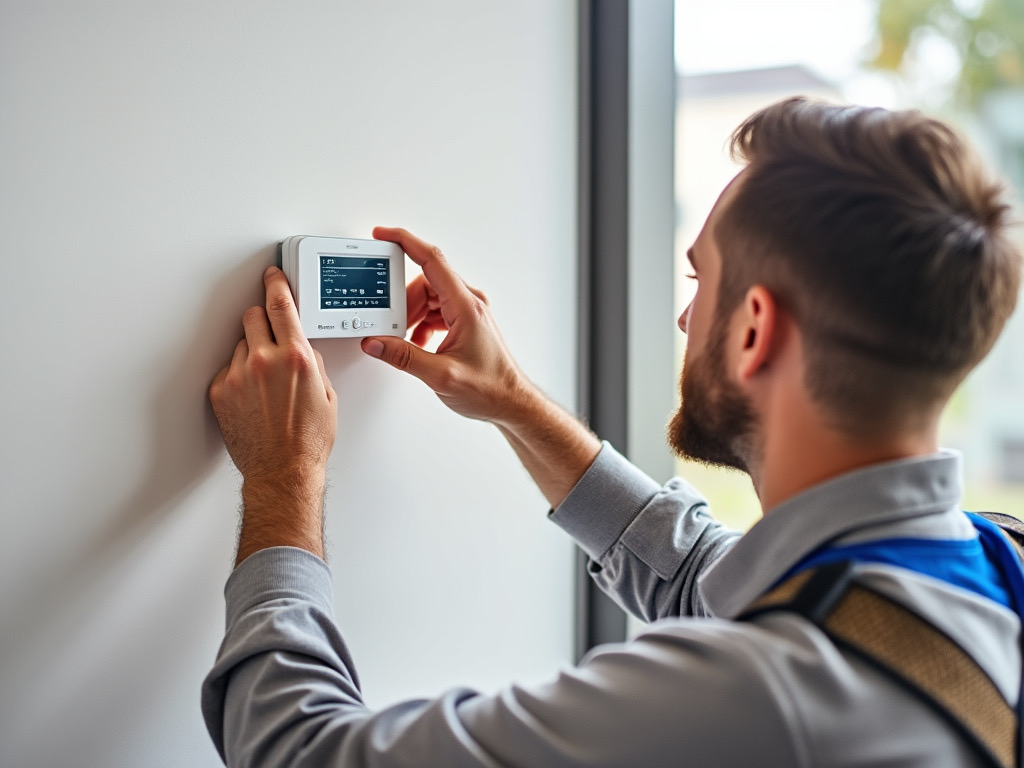
At National HVAC, we understand the importance of maintaining a healthy indoor environment for you and your loved ones. Our Indoor Air Quality Solutions are designed to ensure that the air you breathe is clean, safe, and comfortable. We offer a comprehensive range of services, including air duct cleaning, filtration system installation, and humidity control, all tailored to meet your specific needs. Our team of experienced technicians utilizes advanced technology and proven methods to analyze and improve your home's air quality, eliminating contaminants and allergens that can affect your health. Trust National HVAC to help you create a healthier indoor space where you can breathe easier and enjoy peace of mind.
Ventilation Strategies
Effective ventilation plays a critical role in ensuring a healthy indoor environment. It allows fresh outdoor air to circulate while pushing stale air outside. Implementing exhaust fans in areas prone to moisture, like bathrooms and kitchens, can help reduce humidity-related issues. Whole-house ventilation systems provide controlled airflow throughout the home, improving air quality by diluting pollutants and enhancing overall comfort.
Natural ventilation harnesses wind and temperature differences to promote airflow without mechanical assistance. Opening windows and strategically placed vents can create a cross-breeze that refreshes indoor spaces. While this method is effective, it may be less suitable during extreme weather conditions. Incorporating passive ventilation techniques, such as roof vents or wall vents, can help maintain consistent airflow year-round.
Enhancing Airflow in Your Home
Proper airflow is essential for maintaining a healthy indoor environment. One effective way to enhance airflow is by strategically arranging furniture and minimizing obstacles around air vents. Ensuring that vents are free from blockages allows for an even distribution of air throughout the rooms. Ceiling fans can complement HVAC systems, creating a gentle circulation that helps to keep temperatures balanced across different areas of the home.
Regular maintenance of HVAC systems is crucial as well. Changing filters on schedule prevents dust and debris from clogging the system, allowing for better air passage. Additionally, considering the installation of an energy recovery ventilator (ERV) can significantly improve indoor air quality. An ERV manages the exchange of stale indoor air with fresh outdoor air while minimizing energy loss, contributing to a more comfortable living space.
Humidity Control Techniques
Controlling humidity levels in your home is essential for maintaining a comfortable and healthy environment. High humidity can promote the growth of mold, dust mites, and other allergens that negatively impact indoor air quality. To achieve optimal moisture levels, consider investing in a dehumidifier, particularly in areas that tend to retain moisture, such as basements. Regularly checking and maintaining your HVAC system also helps regulate humidity, ensuring that your air conditioning units are effectively removing excess moisture from the air.
In addition to mechanical solutions, using exhaust fans in kitchens and bathrooms can significantly aid in reducing humidity levels. These fans work to vent moist air outside, especially during cooking or showers. Sealing any drafts around windows and doors can prevent humid outdoor air from infiltrating your home. Consider using vapor barriers in crawl spaces, as these can limit the amount of moisture entering your living spaces from the ground. Implementing these strategies can create a healthier environment, minimizing the risks associated with high humidity.
Maintaining Optimal Moisture Levels
Maintaining appropriate moisture levels in your home is crucial for both comfort and health. High humidity can lead to mold growth, dust mites, and other allergens, which may affect indoor air quality. On the other hand, excessively low humidity can cause respiratory issues and discomfort, leading to dry skin and irritation. Monitoring humidity levels with hygrometers can help you maintain a balanced environment. Ideally, indoor humidity should fall between 30% and 50%.
Utilizing dehumidifiers during humid months can effectively reduce moisture levels. Ventilation also plays a significant role in controlling humidity; opening windows and using exhaust fans in bathrooms and kitchens can help remove excess moisture. In colder months, humidifiers can combat dryness, adding moisture back into the air without creating an overly damp environment. Regular maintenance of heating and cooling systems ensures efficient moisture control, contributing to a healthier home atmosphere.
Indoor Plants and Air Quality
Integrating indoor plants into your living space can significantly improve air quality. Many popular houseplants, such as spider plants, snake plants, and peace lilies, naturally filter toxins from the air. These plants absorb pollutants like formaldehyde and benzene through their leaves and roots, helping to reduce indoor air contaminants. The overall presence of greenery not only enhances aesthetic appeal but also fosters a healthier environment for you and your family.
In addition to their air-purifying capabilities, indoor plants contribute to increased humidity levels. As they release moisture through a process called transpiration, they help maintain a balanced indoor climate. This can be particularly beneficial in dry conditions, as it reduces the likelihood of respiratory issues and dry skin. Incorporating a variety of plants can create a botanical oasis that supports both physical health and emotional well-being.
Natural Solutions for Cleaner Air
Indoor plants are more than just decorative elements; they play a significant role in improving indoor air quality. Certain species, such as spider plants, peace lilies, and snake plants, are known for their ability to absorb common pollutants like formaldehyde and benzene. These plants undergo photosynthesis, a process that converts carbon dioxide into oxygen, thereby enhancing the overall air quality in your living spaces. Including a variety of plants can create a natural air purification system that not only livens up your home but also promotes a healthier environment.
Utilizing natural solutions for air quality goes beyond just incorporating greenery. Essential oils extracted from plants can also be effective in creating a fresher atmosphere. Oils like lavender and eucalyptus not only provide pleasant aromas but can also reduce airborne bacteria and fungi. Additionally, ensuring proper plant care and placement allows for maximum air cleaning benefits. By strategically positioning these plants and using essential oils thoughtfully, you can cultivate a more inviting and health-conscious indoor space.
FAQS
What are the main benefits of improving indoor air quality?
Improving indoor air quality can lead to better respiratory health, increased comfort, reduced allergies, enhanced productivity, and a more pleasant living environment.
How can I enhance airflow in my home?
You can enhance airflow by using exhaust fans, opening windows, ensuring HVAC systems are well-maintained, arranging furniture to minimize obstructions, and using air purifiers with good circulation features.
What is the ideal humidity level for indoor spaces?
The ideal indoor humidity level typically ranges from 30% to 50%. Maintaining this range helps prevent mold growth and ensures comfort.
How can indoor plants improve air quality?
Indoor plants can improve air quality by absorbing carbon dioxide and releasing oxygen. Some plants also filter harmful pollutants from the air, providing a natural way to enhance indoor air quality.
What are some natural methods for controlling humidity in my home?
Natural methods for controlling humidity include using dehumidifiers, ensuring proper ventilation, placing moisture-absorbing materials like baking soda or activated charcoal, and utilizing exhaust fans in moisture-prone areas like kitchens and bathrooms.