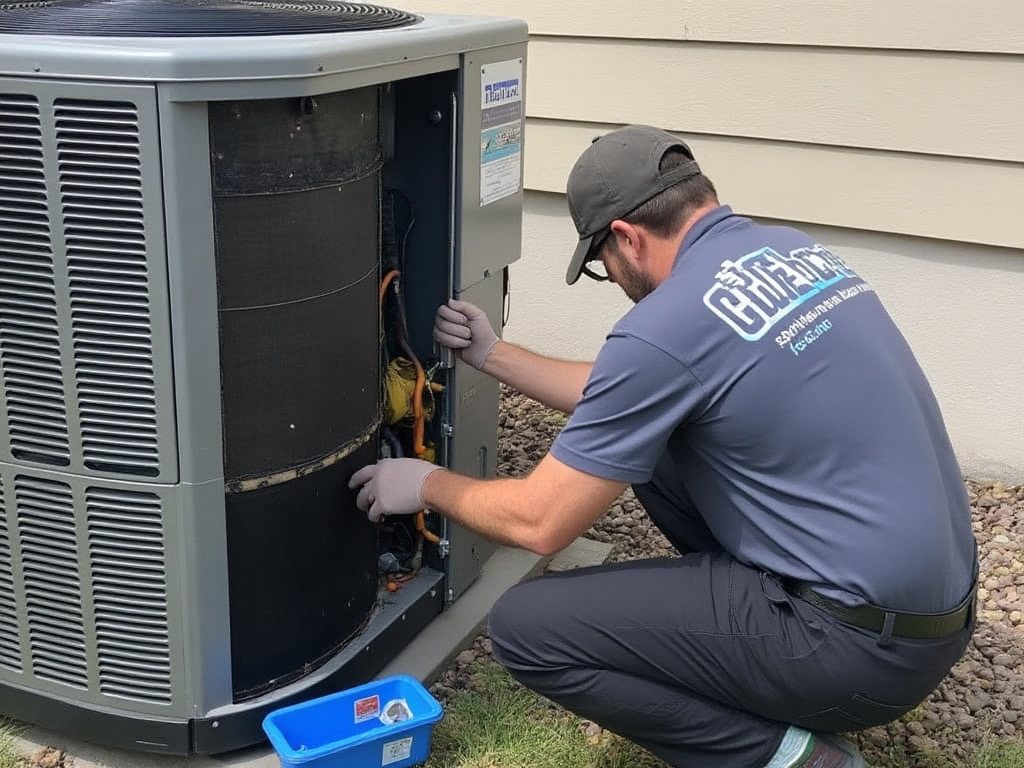
Dirty or Clogged Filters
Dirty or clogged filters are a prevalent issue that can significantly impact the performance of heat pumps. These filters play a crucial role in trapping dust, dirt, and other airborne particles. Over time, they can become obstructed, reducing airflow and forcing the system to work harder. This inefficiency not only decreases the unit's effectiveness but can also lead to higher energy bills.
Regular cleaning or replacement of filters is essential to maintain optimal operation. Homeowners should check filters monthly and replace them as needed to ensure proper airflow and system longevity. For those who encounter persistent issues, professional assistance may be necessary. Reliable Heat Pump Installation and Repair services can help identify underlying problems and ensure the system runs efficiently.
The Importance of Regular Maintenance
Regular maintenance is crucial for the longevity and efficiency of heat pumps. Over time, components can accumulate dirt and debris, which impact performance and energy efficiency. Scheduled maintenance can help identify issues before they escalate into more significant problems, potentially saving homeowners from expensive repairs.
The process of Heat Pump Installation and Repair often includes a maintenance plan that emphasizes routine checks and servicing. Professionals typically recommend cleaning or replacing filters and checking other essential components. By following these guidelines, homeowners can ensure their heat pumps operate smoothly and reliably throughout the seasons.
Thermostat Malfunctions
Thermostat malfunctions can significantly affect the performance of heat pumps. When a thermostat is not calibrated correctly or is malfunctioning, it may fail to communicate the right temperature settings to the system. This can lead to inadequate heating or cooling, resulting in excessive energy usage and discomfort in the home.
For homeowners experiencing temperature inconsistencies, checking the thermostat is crucial. Sometimes, these issues arise due to outdated technology or poor placement. Engaging a professional for Heat Pump Installation and Repair ensures that the thermostat works in harmony with the heat pump, enhancing overall efficiency and comfort.
Diagnosing Thermostat Issues
Thermostat malfunctions can significantly impact the overall efficiency of a heat pump system. When a thermostat is not correctly calibrated or experiences wiring issues, it may fail to communicate effectively with the heat pump. Symptoms of a malfunctioning thermostat include inconsistent temperatures or the system not turning on at all. Identifying these issues quickly is essential to maintaining a comfortable environment and avoiding further complications.
To diagnose thermostat problems, start by checking the settings and ensuring the thermostat is set to the desired mode, whether heating or cooling. Examine the batteries if it's a battery-operated model. A faulty sensor may also lead to incorrect readings. In some cases, professional help may be necessary. Consulting experts in Heat Pump Installation and Repair can provide valuable insights and solutions to restore efficiency and comfort.
Unusual Noises
Unusual noises from a heat pump can indicate underlying issues that require attention. Common sounds include grinding, squealing, and rattling, each suggesting different types of problems. Grinding noises may point to worn-out bearings, while squealing could be a sign of a slipping belt or an issue with the motor. Rattling may indicate loose parts or debris within the unit, which can affect its efficiency and performance.
When faced with these noises, it’s essential to address them promptly. Ignoring the sounds may lead to more significant damage and costly repairs in the future. Regular checks during heat pump installation and repair can help identify these issues early. Homeowners are encouraged to consult professionals when unusual sounds persist to ensure their heat pump operates smoothly and efficiently.
Common Noises and Their Implications
Unusual noises from a heat pump can signify underlying issues that require attention. For instance, a rattling or banging sound may indicate loose components or debris in the unit. Whistling noises could stem from airflow problems, such as blocked vents or filters. Identifying these sounds early can help prevent more significant damage to the system and ensure efficient operation.
Heat pump installation and repair services often address these noisy issues during routine maintenance. Technicians will examine the system to diagnose the source of the sounds. Whether it’s worn-out parts or minor misalignments, resolving these problems promptly can enhance performance and extend the lifespan of the heat pump. Paying attention to the sounds your heat pump makes is crucial for its longevity.
FAQS
What are the most common problems associated with heat pumps?
The most common problems include dirty or clogged filters, thermostat malfunctions, and unusual noises. Regular maintenance can help prevent these issues.
How often should I clean or replace my heat pump filters?
It is advisable to check and clean or replace your heat pump filters every one to three months, depending on usage and environmental conditions.
What are the signs of a malfunctioning thermostat?
Signs of a malfunctioning thermostat include inconsistent temperatures, the system not turning on or off as expected, and inaccurate temperature readings.
Why does my heat pump make unusual noises?
Unusual noises can indicate various issues, such as loose parts, refrigerant leaks, or mechanical failures. It’s important to have a professional diagnose the problem.
How can I maintain my heat pump to avoid common issues?
Regular maintenance includes cleaning or replacing filters, scheduling professional inspections, and checking thermostat settings to ensure optimal performance.