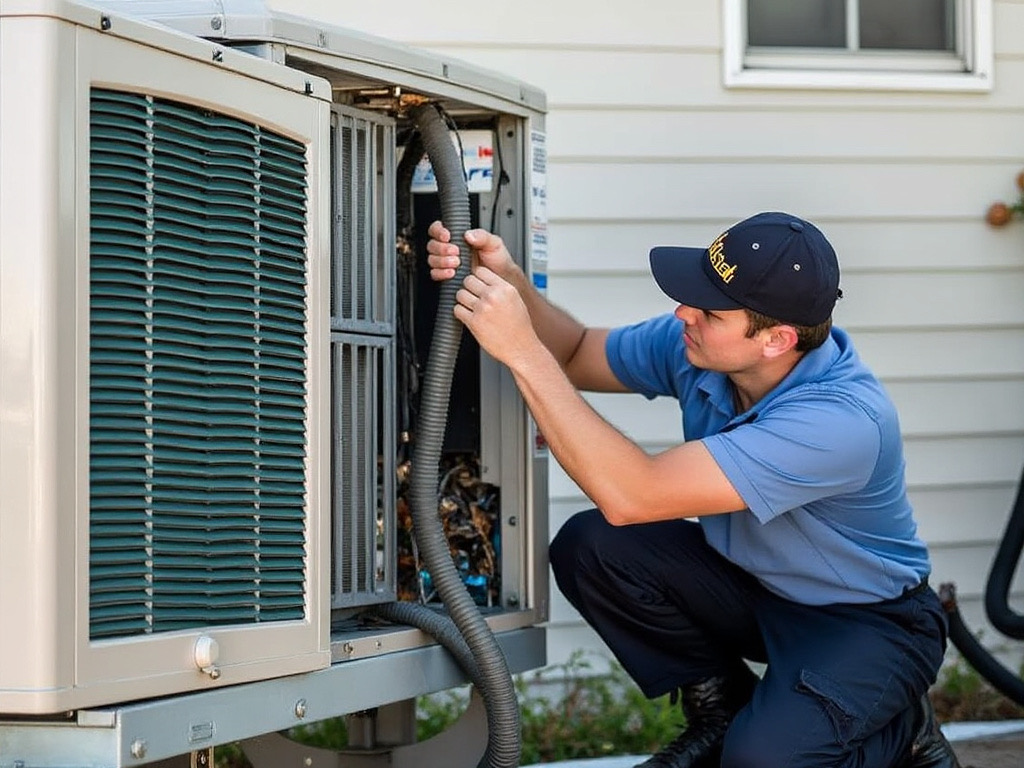
At National HVAC, we specialize in comprehensive heating system installation and repair services designed to ensure your home stays warm and comfortable throughout the colder months. Our team of experienced technicians is equipped to handle a wide range of heating systems, whether you’re looking to install a brand-new furnace or need prompt repairs on your existing unit. We pride ourselves on providing efficient, reliable service tailored to your specific needs, including free consultations to help you choose the best heating solution for your space. With National HVAC, you can trust that our commitment to quality and customer satisfaction will keep your home cozy and energy-efficient all winter long.
Choosing the Right HVAC Contractor
Selecting an HVAC contractor is a crucial step in ensuring the efficiency and longevity of your heating system. Start by researching local contractors with solid reputations. Look for companies that are licensed and insured, as this indicates compliance with industry standards and offers some level of protection for you as a homeowner. Online reviews and testimonials can provide valuable insights into the quality of service you can expect. It's also beneficial to seek referrals from friends and family who have had similar work done.
Once you’ve narrowed down your options, consider arranging interviews or meetings with potential contractors. Asking specific questions about their experience, warranty offerings, and whether they perform both installation and repair can help clarify their capabilities. Evaluate their responsiveness and willingness to provide detailed estimates. Taking the time to choose the right contractor can significantly impact your heating system's performance and your overall satisfaction with the service.
Key Qualities to Look For
When searching for an HVAC contractor, it's essential to evaluate their experience in the field. A reputable contractor should have a solid track record of successful installations and repairs. Additionally, consider their qualifications and certifications. Licensed professionals often stay up-to-date with industry standards and regulations. Customer reviews and testimonials can also provide insight into their reliability and the quality of their work.
Another important quality to look for is strong communication skills. Contractors should be able to explain complex concepts in a clear and understandable manner. This includes providing detailed estimates and being transparent about costs. An effective contractor will listen to your needs and preferences while offering tailored solutions. Trustworthiness is also critical; ensure that the contractor you choose has a good reputation and adheres to ethical business practices.
Steps Involved in Heating System Installation
Proper planning is essential when moving forward with a heating system installation. Initially, a thorough assessment of the property is conducted to determine the heating needs based on the size, layout, and insulation quality. This analysis helps in selecting the appropriate system type, whether it be a furnace, boiler, or heat pump. Once the system is chosen, the HVAC contractor will create a detailed installation plan outlining the necessary steps, timelines, and any required permits.
Following the planning phase, the actual installation begins. The contractor will prepare the site, ensuring all necessary materials and tools are on hand. This typically includes installing the new heating unit along with ductwork or piping as needed, ensuring everything is connected properly. After installation, the system will be thoroughly tested to confirm it operates efficiently and safely. Any adjustments or calibrations needed to optimize performance are completed at this stage, allowing for a seamless transition to the new heating solution.
From Planning to Completion
The process of installing a heating system begins with thorough planning. Homeowners should assess their space, identifying the type of heating system that best fits their needs. Factors such as square footage, insulation, and local climate conditions play a crucial role in determining the best system. Consulting with a qualified HVAC contractor helps in selecting the right equipment and ensures adherence to local building codes and regulations.
Once the planning phase is complete, scheduling the installation becomes the next priority. The contractor will prepare the work site and gather necessary materials. Depending on the complexity of the system, the installation process may take several hours to a few days. Proper installation includes ensuring all components function efficiently and safely, minimizing the likelihood of future issues. After completing the installation, the contractor will conduct a final inspection and test the system to confirm optimal performance.
Cost Factors in Heating Repair Services
When it comes to heating repair services, several factors influence the overall cost. The type of heating system plays a significant role, as different units may require specialized skills and parts. Complexity of the issue can also impact pricing; straightforward repairs typically cost less than those requiring extensive labor or hard-to-find components. Seasonal demand patterns can lead to fluctuating prices, with higher fees during peak seasons when technicians are in high demand.
Labor costs represent another crucial element in determining repair expenses. Experienced technicians might charge higher rates, but their expertise can lead to more efficient and effective repairs. Additionally, regular maintenance can prevent costly breakdowns and help homeowners budget more effectively for potential repair needs. Overall, understanding these factors can assist homeowners in making informed decisions regarding their heating system repairs.
What to Expect in Pricing
When seeking heating repair services, understanding the pricing structures is essential. Typical costs can vary widely based on factors such as the type of heating system, the extent of the repairs needed, and the contractor's expertise. Simple repairs, like fixing a thermostat or replacing a filter, are generally more affordable than major system overhauls. It's also common for contractors to charge diagnostic fees, which might be deducted from the total cost if you proceed with the recommended repairs.
Homeowners should anticipate additional expenses that can arise during repairs. Parts for older or specialized systems may be more expensive or challenging to source, potentially increasing overall costs. Labor rates can differ by region, and emergency service calls typically incur higher fees. It's advisable to obtain multiple quotes from different contractors to ensure a fair price, while also verifying that the contractors are licensed and insured to guarantee quality service.
FAQS
How do I choose the right HVAC contractor for my heating system installation?
Look for a contractor with proper licensing, good reviews, and relevant experience. It's also important to check their certifications and ask for referrals from previous clients.
What are the key qualities to look for in an HVAC contractor?
Key qualities include reliability, honesty, good communication skills, experience in the industry, and a solid warranty on their work. It's also beneficial if they offer emergency services.
What steps are involved in the heating system installation process?
The installation process typically involves an initial assessment, selecting the right system, preparing the site, installing the equipment, and conducting a final inspection to ensure everything is functioning properly.
What factors affect the cost of heating repair services?
Costs can vary based on the extent of the damage, the type of heating system, labor rates in your area, and the availability of parts. Additional fees may apply for emergency repairs or after-hours service.
What should I expect in terms of pricing for heating system repair?
Pricing for heating system repair can range widely, depending on the nature of the repair. On average, you might expect to pay between $100 to $500 for repairs, but more complex issues can lead to higher costs. Always request an estimate before any work begins.