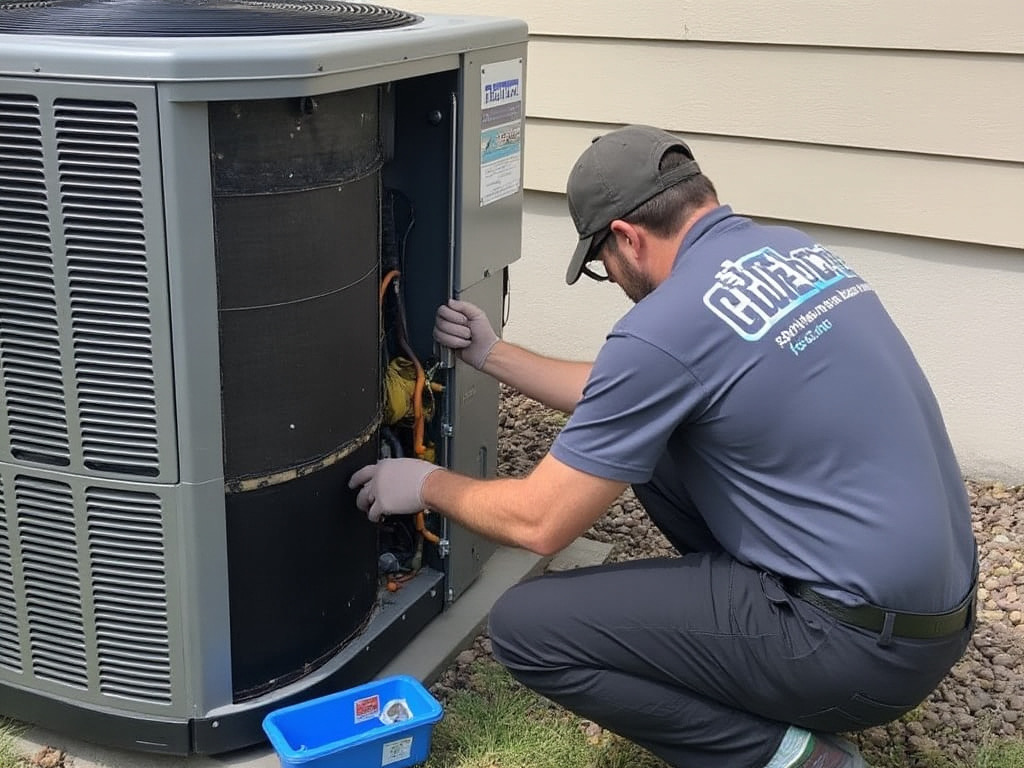
Choosing the Right HVAC Contractor
Selecting a qualified HVAC contractor is crucial for the successful installation and maintenance of heat pumps. Begin by seeking recommendations from friends, family, or online reviews to gauge the reputation of local contractors. Ensure they are licensed and insured, as this protects both you and the technician in case of accidents or damages. Additionally, verify their experience with heat pumps specifically, as these systems can vary considerably in complexity compared to traditional HVAC units.
Once you have a list of potential contractors, request quotes and ask about their warranties and service agreements. A thorough contractor will provide a detailed estimate covering both equipment and labor, ensuring transparency. Pay attention to their communication and customer service approach during this initial interaction. A contractor who listens to your needs and answers your questions thoughtfully is more likely to provide a satisfactory experience throughout the installation or repair process.
Key Qualities to Consider
Selecting an HVAC contractor involves assessing various essential qualities that can influence the outcome of your heat pump installation or repair. A reputable contractor should possess relevant certifications and licenses, verifying their expertise in the field. It’s also beneficial to choose a company that has strong ties to reputable manufacturers, which often indicates reliability and credibility. A contractor with a solid reputation in your community may stand out through positive online reviews and testimonials from previous clients.
Communication is another critical factor. An ideal contractor should be approachable and willing to answer your questions regarding installation processes or repair timelines. They should provide clear, detailed estimates and explain the scope of work involved. Additionally, consider the company’s experience with heat pumps specifically, as familiarity with these systems enhances the likelihood of successful service. Ultimately, prioritizing these qualities helps ensure a smooth working relationship and satisfactory results.
Maintenance Tips for Heat Pumps
Regular maintenance is essential for ensuring that heat pumps operate efficiently throughout their lifespan. Routine checks can identify and resolve minor issues before they escalate into costly repairs. Homeowners should inspect or replace filters at least once a month to maintain optimal airflow and system efficiency. Additionally, cleaning the exterior coils helps ensure heat exchange remains effective, contributing to better energy consumption.
Scheduling professional maintenance at least once a year is crucial for identifying potential problems early. Technicians can provide comprehensive tune-ups, including checking refrigerant levels and inspecting electrical components. Keeping the surrounding area free of debris allows for better air circulation and reduces the risk of overheating. These proactive steps can enhance the performance of heat pumps and prolong their operational lifespan.
Ensuring Optimal Performance
Regular maintenance is key to keeping heat pumps running efficiently. Homeowners should schedule professional inspections at least once a year to check for wear and tear, clean filters, and ensure refrigerant levels are correct. Neglecting these routine checks can lead to decreased performance and higher energy bills. Simple tasks such as cleaning the outdoor unit and clearing debris can also significantly enhance the system’s effectiveness.
Monitoring the thermostat settings and ensuring they align with personal comfort levels can also contribute to better performance. Smart thermostats can be beneficial, allowing for more precise control over the heating and cooling cycles. Adjustments to the system based on seasonal changes help optimize energy consumption. Keeping vents unblocked and maintaining clear air pathways throughout the home maximizes airflow, further supporting the heat pump's efficiency.
Understanding SEER and HSPF Ratings
Efficiency ratings like SEER and HSPF are crucial in evaluating the performance of heat pumps. SEER, or Seasonal Energy Efficiency Ratio, measures cooling efficiency over an entire cooling season. Higher SEER ratings indicate better energy efficiency, which can lead to lower electricity bills and a reduced carbon footprint. On the other hand, HSPF, or Heating Season Performance Factor, gauges the heating efficiency of heat pumps. This metric is particularly important for consumers in colder climates where heating costs can significantly impact overall energy expenses.
Understanding these ratings helps homeowners make informed decisions when selecting a heat pump system. Both SEER and HSPF ratings contribute to the overall cost-effectiveness and comfort of a home. Choosing units with higher ratings often translates into long-term savings and improved indoor climate control. Consumers should consider comparing these ratings alongside the unit's initial cost and potential rebates or incentives to maximize their investment.
Importance of Efficiency Ratings
Efficiency ratings for heat pumps, such as Seasonal Energy Efficiency Ratio (SEER) and Heating Seasonal Performance Factor (HSPF), provide essential insights into the system's performance. A higher SEER rating indicates better cooling efficiency, while a higher HSPF rating reflects superior heating efficiency. Homeowners should consider these ratings when selecting a heat pump to ensure they are making an environmentally responsible choice that can lead to significant energy savings.
Incorporating systems with high efficiency ratings can also qualify homeowners for various rebates and incentives offered by utility companies. These benefits further enhance the value of investing in energy-efficient heating and cooling solutions. By prioritizing efficiency ratings, customers can minimize future energy costs while contributing to sustainability efforts in their communities.
FAQS
What should I look for when choosing an HVAC contractor for heat pump installation?
When choosing an HVAC contractor, look for experience, proper licensing and insurance, customer reviews, and their familiarity with heat pump systems specifically.
How often should I perform maintenance on my heat pump?
It's recommended to perform maintenance on your heat pump at least once a year to ensure optimal performance and longevity.
What are SEER and HSPF ratings, and why are they important?
SEER (Seasonal Energy Efficiency Ratio) and HSPF (Heating Seasonal Performance Factor) ratings measure the efficiency of heat pumps. Higher ratings indicate better energy efficiency, which can lead to lower energy bills and reduced environmental impact.
Can I install a heat pump myself, or should I hire a professional?
While it is possible to install a heat pump yourself, it is highly recommended to hire a professional HVAC contractor to ensure proper installation and avoid potential issues.
What are some common problems that may require heat pump repair?
Common problems include inadequate heating or cooling, unusual noises, refrigerant leaks, and frequent cycling on and off. If you notice any of these issues, it's best to consult a professional for repair.