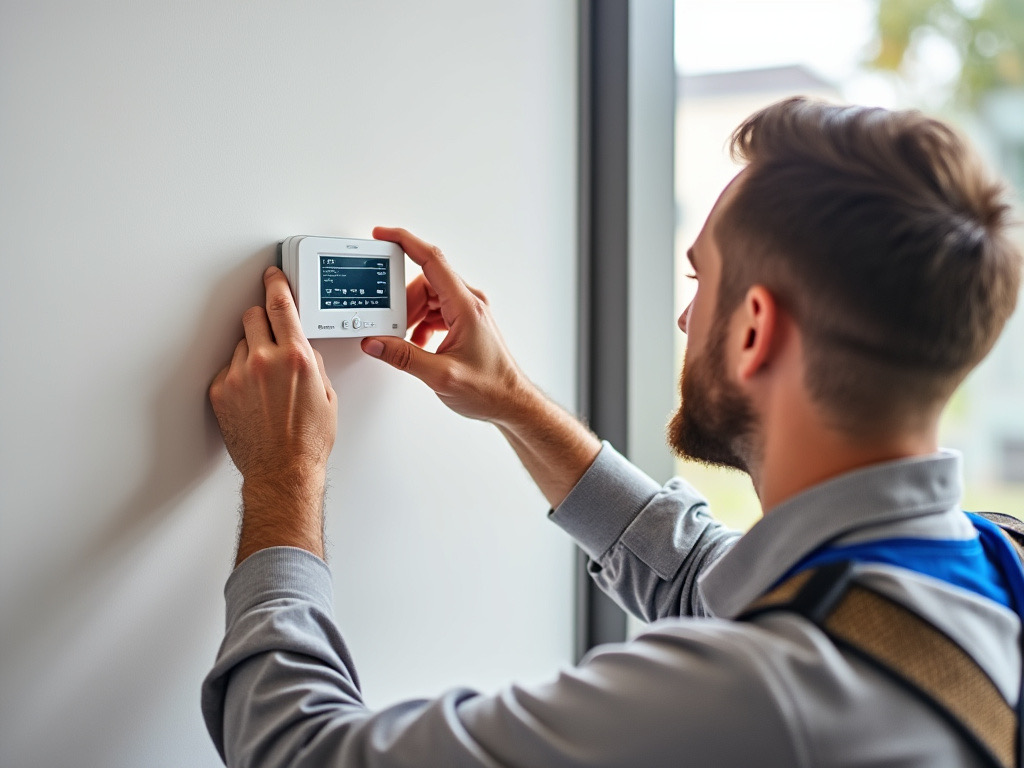
Cost Factors for Thermostat Installation
Several factors influence the overall cost of thermostat installation. The type of thermostat chosen plays a significant role; smart thermostats may require additional wiring and programming, increasing labor costs. Additionally, the complexity of the existing HVAC system can lead to variations in installation time and effort. This means that a straightforward replacement may be less expensive than installing a new thermostat in a more intricate system.
Geographical location can also impact pricing. Costs associated with labor and materials vary widely between urban and rural areas. Availability of professionals in the area may further influence the pricing structure. Homeowners should also consider the potential for upgrading their HVAC systems simultaneously, as bundled services might offer financial savings when hiring an HVAC contractor.
Understanding Pricing Structures
The cost of thermostat installation varies based on several factors, including the type of thermostat and the complexity of the installation process. Basic models tend to have lower price points, making them an economical choice for many homeowners. However, smart thermostats, which offer advanced features such as Wi-Fi connectivity and mobile app controls, come at a higher cost. Additionally, installations that require upgrades to your electrical system or modifications to existing wiring may incur extra charges.
Labor costs can also influence the overall pricing structure. HVAC contractors typically charge by the hour for their services, and the total time required for installation can vary significantly based on the specific circumstances at each site. Homeowners should also consider potential warranty or service agreement options that could impact long-term expenses. Understanding these various elements allows for better budgeting and decision-making when selecting a thermostat and hiring a professional for installation.
Choosing the Right Thermostat for Your Home
Selecting a thermostat involves assessing your specific needs and preferences. Smart thermostats offer advanced features, such as remote control and learning capabilities, making them ideal for tech-savvy homeowners. Traditional models, on the other hand, are often simpler and may be preferred for their ease of use. Consider your home’s heating and cooling system compatibility, as not every thermostat works with all HVAC units.
Energy efficiency is another important consideration. Thermostats are available with programmable settings that allow homeowners to optimize their energy use. This feature can lead to significant cost savings on utility bills. Additionally, look for models that provide real-time energy consumption data, giving you a clearer picture of your usage patterns. Understanding these aspects will help you make a more informed choice when upgrading or replacing your thermostat.
Key Features to Consider
When selecting a thermostat, it's essential to evaluate compatibility with your existing HVAC system. Some thermostats work better with specific heating and cooling setups, including single-stage or multi-stage systems. Furthermore, consider whether you want a smart thermostat that can be controlled remotely via a smartphone app or a traditional programmable model that operates on a set schedule.
User interface plays a crucial role in choosing the right model. Touchscreen displays, simplicity of controls, and accessibility can greatly affect ease of use. Features such as energy usage reports and learning capabilities also enhance convenience and efficiency. Prioritizing these aspects will ensure you select a thermostat that meets both your lifestyle and comfort needs.
Professional Repair Services Overview
Thermostats can malfunction for various reasons, leading to issues like inconsistent temperatures or complete system failures. A malfunctioning thermostat may not accurately gauge the indoor climate, which can result in inefficient heating or cooling. Understanding the symptoms of a failing thermostat is crucial for homeowners. Common indicators include unresponsive screens, erratic temperature readings, or the HVAC system running non-stop.
Professional repair services are designed to address these problems effectively. Licensed HVAC contractors possess the expertise to diagnose issues accurately and recommend appropriate solutions. They can also provide routine maintenance to ensure the thermostat and HVAC system operate smoothly. This preventive approach not only extends the life of the equipment but also enhances energy efficiency, ultimately saving homeowners money.
When to Call an HVAC Contractor
Homeowners may find themselves in need of professional assistance when their thermostat shows signs of malfunction. Issues such as inconsistent temperature readings, failure to turn on or off, and unusual noises can indicate problems that are best handled by an HVAC contractor. Attempting to fix these issues without the necessary expertise can lead to further complications or even damage the system, making a professional assessment critical for ensuring everything operates smoothly.
Regular maintenance is another reason to consult an HVAC contractor. A professional can perform routine checks and services, catching potential problems before they escalate. Additionally, they can provide insights into energy-efficient upgrades or replacements suited to a home’s specific needs, contributing to both comfort and cost savings in the long run. Understanding when to reach out for help can make a significant difference in maintaining optimal living conditions.
FAQS
What are the typical costs associated with thermostat installation?
The costs for thermostat installation can vary based on factors such as the type of thermostat, labor rates in your area, and any additional electrical work needed. On average, installation can range from $100 to $300.
How can I choose the right thermostat for my home?
When choosing a thermostat, consider key features such as compatibility with your HVAC system, programmable options, smart technology integration, and user-friendly interfaces. It's also important to assess the size of your home and the specific heating and cooling needs.
What are common signs that my thermostat may need repair?
Common signs that your thermostat may need repair include inconsistent temperature readings, failure to turn on or off, unresponsive controls, or if your HVAC system is running constantly without reaching the desired temperature.
Should I attempt to repair my thermostat myself?
While some minor issues can be addressed with DIY solutions, it's generally recommended to call a professional HVAC contractor for repairs. They have the expertise to diagnose and fix problems safely and effectively.
How do I know when to call an HVAC contractor for thermostat issues?
You should consider calling an HVAC contractor if your thermostat is not functioning properly after replacing batteries, if you notice unusual noises from the unit, or if you experience significant temperature fluctuations throughout your home.