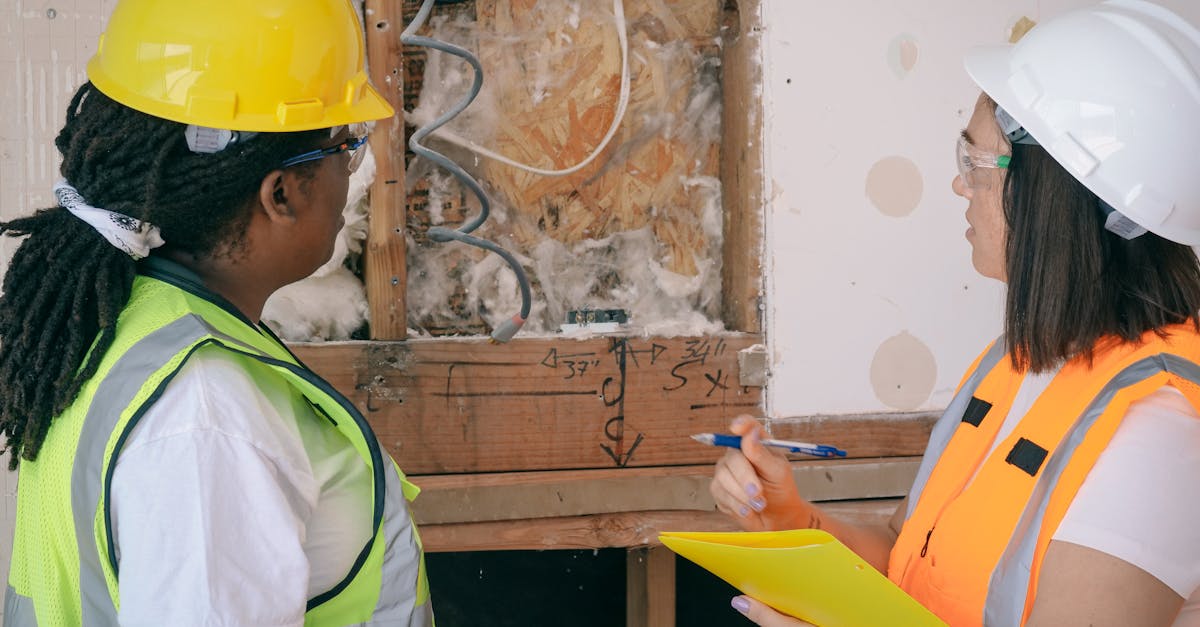
At National HVAC, we specialize in comprehensive ventilation system installation and repair services designed to enhance indoor air quality and promote energy efficiency in your home or business. Our skilled technicians are trained to assess your specific ventilation needs, ensuring optimal air circulation and moisture control. Whether you require a new system installation or prompt repairs for an existing setup, we utilize the latest technology and best practices to deliver reliable, long-lasting solutions. Trust National HVAC to provide you with the expertise and commitment to excellence that you need for a healthier and more comfortable indoor environment.
Energy Efficiency in Ventilation Systems
Improving energy efficiency in ventilation systems is crucial for reducing overall operational costs. Energy-efficient systems can significantly lower energy consumption while maintaining a healthy indoor environment. Technologies like variable speed fans, heat recovery ventilators, and smart thermostats contribute to better performance and energy savings. By optimizing airflow and employing advanced controls, these systems can adapt to varying occupancy levels and specific ventilation needs.
Investing in energy-efficient ventilation solutions not only benefits the environment but also supports regulatory compliance and sustainability goals. Modern systems often come with higher efficiency ratings, which translate to less energy use without compromising comfort. Enhancing insulation and sealing ducts also plays a vital role in minimizing energy loss. Building owners should consider upgrading their older systems, as the initial investment often pays off through reductions in utility bills and a decrease in the carbon footprint.
How to Reduce Energy Consumption
Optimizing your ventilation system is crucial for reducing energy consumption. Investing in programmable thermostats allows for better control over heating and cooling schedules, ensuring that the system operates only when necessary. Sealing any leaks in ductwork prevents conditioned air from escaping, making the system work more efficiently. Additionally, consider installing energy-efficient filters. These filters not only improve air quality but also help the system run more smoothly, reducing overall energy usage.
Regularly scheduled assessments can identify areas where improvements can be made. Upgrading to high-efficiency fans and motors can dramatically enhance performance while minimizing energy draw. Incorporating variable speed drives allows for better airflow management based on real-time needs, promoting efficiency. Lastly, educating occupants about proper use of the system and maintaining optimal thermostat settings can contribute significantly to lower energy bills.
Regular Maintenance for Longevity
Maintaining a ventilation system is crucial for ensuring optimal performance and longevity. Regularly scheduled maintenance can help identify potential issues before they escalate into costly repairs. Cleaning or replacing filters is one essential task that enhances air quality and system efficiency. Additionally, checking for duct leaks can prevent energy loss and improve the overall effectiveness of the system.
Performing routine inspections allows HVAC professionals to assess components such as fans, motors, and belts. Lubricating moving parts reduces friction and wear, contributing to a more efficient operation. Furthermore, calibration of the thermostat ensures that the system runs at optimal settings, enhancing comfort while reducing energy costs. Adopting a proactive maintenance plan can significantly extend the life of your ventilation system.
Essential Maintenance Tasks for HVAC Systems
Regular maintenance is crucial for ensuring the optimal performance and longevity of HVAC systems. Changing air filters is one of the most important tasks, as clogged filters can restrict airflow and reduce efficiency. It is advisable to inspect and replace filters every one to three months, depending on usage and environmental factors. Cleaning the system's coils and checking drain pans for clogs also contribute to efficient operation and help prevent potential water damage.
In addition to the basic tasks, it's essential to check the thermostat settings and ensure they are functioning properly. Scheduling routine inspections by a qualified technician can help identify any underlying issues before they become significant problems. Lubricating moving parts and examining ductwork for leaks or blockages are other vital aspects of maintenance. These practices not only extend the life of the system but also enhance energy efficiency, leading to lower utility bills.
Ventilation System Upgrades
Upgrading your ventilation system can lead to significant improvements in indoor air quality and energy efficiency. New technologies, such as energy recovery ventilators and variable speed fans, optimize airflow and reduce energy costs. Transitioning to high-efficiency filters can also trap more airborne contaminants, ensuring that the air in your home or office remains clean and fresh.
In addition to enhancing performance, modern upgrades often come with smart technology integration. Smart thermostats and sensors allow users to monitor and control their ventilation systems remotely, adapting to changes in occupancy and outdoor conditions. This adaptability not only improves comfort but also contributes to energy savings, making it a worthwhile investment for better overall system performance.
Modernizing Your Existing Setup
Upgrading your ventilation system can significantly enhance its efficiency and effectiveness. Incorporating smart technology allows for better control and monitoring of indoor air quality. With options available for remote access and programmable settings, these systems provide users with the flexibility to adjust air flow according to their needs. Additionally, integrating energy recovery ventilators (ERVs) can maximize energy efficiency by reclaiming heat and moisture from exhaust air.
Replacing outdated components, such as fans and ducts, can improve airflow and reduce energy consumption. Modern materials often offer better insulation and less leakage, leading to enhanced performance. By assessing and upgrading your existing setup, you not only contribute to a healthier living environment but also potentially lower your utility bills. Investing in more advanced systems pays off in reduced maintenance costs and increased durability over time.
FAQS
What are the benefits of installing an energy-efficient ventilation system?
Installing an energy-efficient ventilation system can lead to lower energy bills, improved indoor air quality, and a reduced carbon footprint. These systems are designed to use less energy while providing optimal ventilation, contributing to overall comfort and sustainability.
How often should I perform maintenance on my HVAC system?
It is recommended to perform maintenance on your HVAC system at least twice a year—once before the heating season and once before the cooling season. Regular maintenance helps ensure efficient operation and prolongs the lifespan of the system.
What essential maintenance tasks should I regularly perform on my ventilation system?
Essential maintenance tasks include changing or cleaning air filters, checking ductwork for leaks, cleaning the vents and registers, and inspecting the system for any signs of wear or damage. Additionally, scheduling professional inspections can help catch potential issues early.
What are the signs that my ventilation system needs an upgrade?
Signs that your ventilation system may need an upgrade include inconsistent indoor temperatures, excessive energy bills, frequent breakdowns, poor air quality, and noisy operation. If your system is outdated or unable to meet your needs, it may be time to consider an upgrade.
How can I modernize my existing ventilation setup?
You can modernize your existing ventilation setup by upgrading to a high-efficiency HVAC system, adding smart thermostats, installing energy recovery ventilators (ERVs), or improving insulation and sealing in your home. Consulting a professional can help identify the best options for your specific situation.