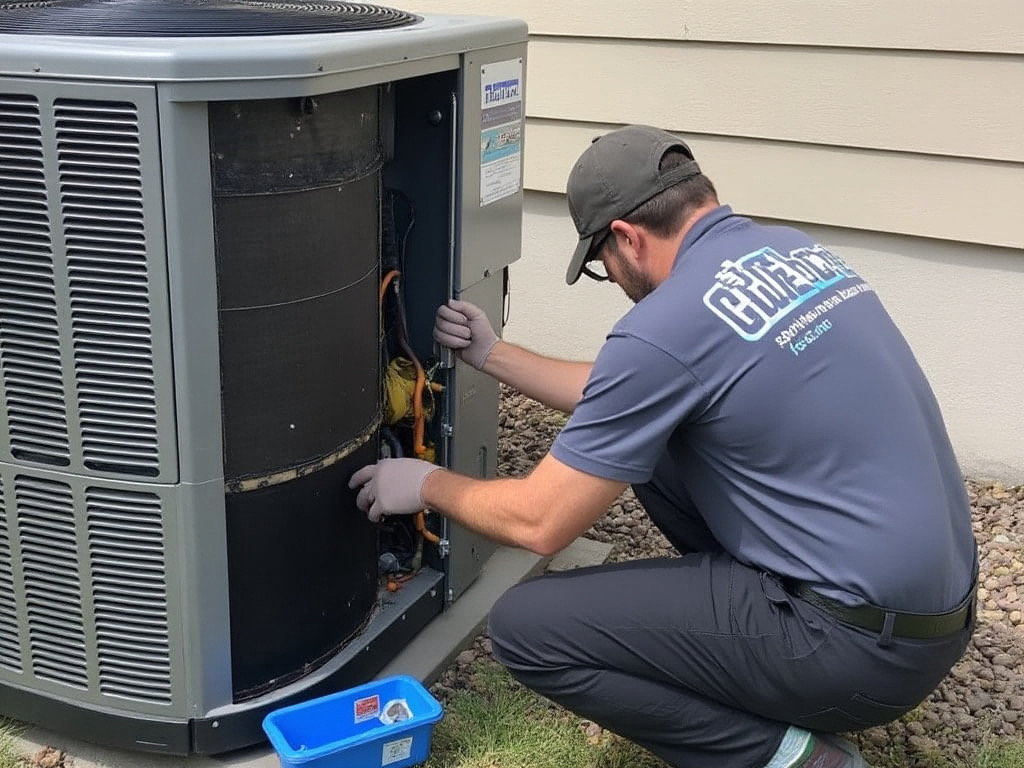
At National HVAC, our Maintenance and Tune-Up services are designed to keep your heating and cooling systems running efficiently and reliably all year round. Our team of experienced technicians conducts comprehensive inspections and performance evaluations to identify any potential issues before they become major problems. During our tune-up, we clean vital components, check refrigerant levels, and calibrate your system for peak performance, ensuring optimal energy efficiency and prolonging the lifespan of your equipment. Regular maintenance not only enhances indoor air quality but also helps you save on energy costs, making it a smart investment for your home or business. Trust National HVAC to provide top-notch care for your heating and cooling systems, ensuring your comfort and peace of mind.
DIY Tips for Basic HVAC Care
Homeowners can perform several basic tasks to ensure their HVAC systems run smoothly. Regularly checking and replacing air filters is essential for maintaining good airflow and efficiency. Clogged or dirty filters can strain the system and increase energy costs. Keeping the area around outdoor units clear of debris, leaves, and vegetation promotes better air circulation. Inspecting the condensate drain to prevent clogs can also help avoid potential water damage.
Seasonal checks can further enhance system performance. During warmer months, homeowners should examine the thermostat settings to ensure proper cooling. Cleaning the evaporator and condenser coils allows for optimal heat exchange, improving overall efficiency. Additionally, taking a few moments to wipe down accessible surfaces can eliminate dirt and dust accumulation. These simple tasks not only prolong the life of the HVAC system but also contribute to a more comfortable indoor environment.
Simple Tasks Homeowners Can Perform
Maintaining your HVAC system doesn’t always require a technician. Homeowners can take a few simple steps to ensure their units are running efficiently. Regularly replacing or cleaning air filters is essential. Dirty filters restrict airflow, leading to decreased efficiency and a potential increase in energy costs. Most filters should be checked monthly and replaced every 1 to 3 months, depending on the type and usage of the HVAC system.
Another straightforward task involves keeping the outdoor unit clear of debris. Leaves, grass clippings, and other materials can obstruct airflow, making the system work harder than necessary. Trim any nearby plants or shrubs to keep a clear path and ensure that the area is clean. This not only promotes better air circulation but also extends the lifespan of the unit, allowing it to function optimally for years.
Professional HVAC Tune-Up Checklist
A professional HVAC tune-up involves a systematic inspection and servicing of your heating and cooling system. Technicians typically start by checking the thermostat settings to ensure proper operation. They also clean or replace air filters, which helps maintain airflow and energy efficiency. The heating and cooling components are thoroughly examined for any signs of wear or damage, ensuring that each part functions optimally.
Beyond the internal checks, technicians inspect ductwork for leaks and clean the blower components for maximum airflow. Refrigerant levels are verified and adjusted as necessary to maintain system efficiency. Additionally, electrical connections are tightened, and any frayed wires are addressed to prevent potential hazards. Each step in this checklist ensures that the HVAC system operates smoothly and reliably, promoting comfort year-round.
What to Expect from a Technician Visit
During a technician visit, you can expect a comprehensive assessment of your HVAC system. The technician will begin by inspecting both the indoor and outdoor components, checking for any signs of wear or damage. They will evaluate the thermostat settings and ensure that the system is operating within its specified parameters. Additionally, they may clean or replace filters, check refrigerant levels, and examine ductwork for any leaks or blockages.
The technician will also take the time to answer any questions you have regarding your system's performance and maintenance. They might provide recommendations for improving efficiency and suggest any necessary repairs. After completing their work, they will often give you a summary of the services performed and advise on how to keep your HVAC system running smoothly in the future. This visit not only helps ensure optimal performance but also extends the life of your system.
Energy Savings Through Regular Maintenance
Regular maintenance not only extends the life of your HVAC system but also enhances its energy efficiency. By scheduling routine inspections, homeowners can identify potential issues before they escalate into costly repairs. Cleaning or replacing filters, adjusting thermostats, and checking ductwork can lead to significant improvements in how effectively a system operates. As components work more efficiently, they consume less energy, resulting in lower monthly utility bills.
Investing time in maintenance helps ensure that systems run at peak performance, which translates to immediate savings. In many cases, a well-maintained unit can use up to 30% less energy than one that has not been properly serviced. Small actions, like removing debris from outdoor units and ensuring proper airflow, can further maximize efficiency. Ultimately, embracing a proactive approach to HVAC care can yield substantial financial benefits over time.
Reducing Utility Bills with Efficient Systems
Regular maintenance of HVAC systems not only extends their lifespan but also enhances their efficiency. When systems operate at peak performance, they consume less energy, which directly translates to lower utility bills. Simple practices, such as changing air filters and clearing debris around outdoor units, can significantly impact energy use. Homeowners who prioritize these actions often notice a decrease in energy consumption.
Investing in a modern, energy-efficient heating and cooling system can yield long-term savings. Many manufacturers produce units that meet stringent efficiency standards, allowing homeowners to enjoy reduced operational costs. Additionally, smart thermostats can optimize energy usage by adjusting settings based on occupancy and preferences. By combining an efficient system with regular maintenance efforts, overall energy efficiency is maximized, contributing to substantial savings on monthly bills.
FAQS
How often should I perform maintenance on my HVAC system?
It is generally recommended to perform maintenance on your HVAC system at least once a year, ideally before the heating or cooling season begins.
What are some simple DIY tasks I can do for basic HVAC care?
Homeowners can perform tasks such as changing air filters regularly, cleaning the outdoor unit, checking and sealing ductwork for leaks, and ensuring that vents are not blocked.
What should I expect during a professional HVAC tune-up?
During a professional HVAC tune-up, a technician will typically inspect, clean, and test various components of your system, including the thermostat, electrical connections, and refrigerant levels, to ensure everything is functioning properly.
How can regular maintenance help reduce my energy bills?
Regular maintenance helps your HVAC system run more efficiently, which can lead to reduced energy usage and lower utility bills. A well-maintained system is less likely to break down and requires less energy to operate.
Is it worth paying for a professional tune-up?
Yes, investing in a professional tune-up is often worth it as it can extend the lifespan of your HVAC system, improve its efficiency, and help prevent costly repairs down the line.