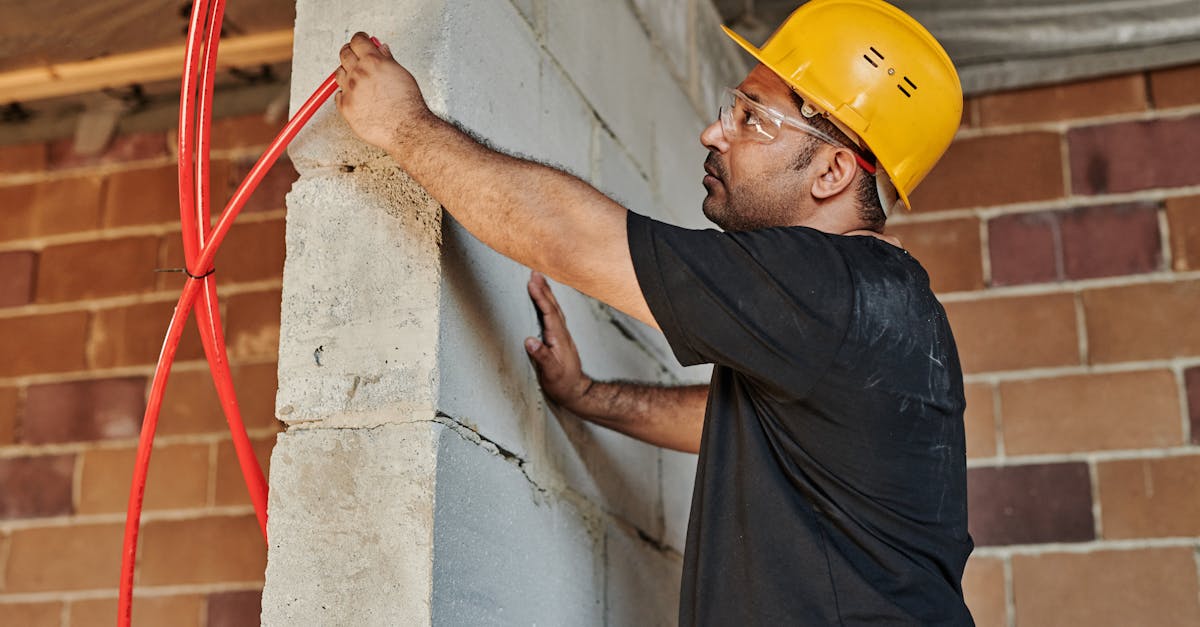
At National HVAC, we specialize in top-notch air conditioning system installation and repair services tailored to meet your specific comfort needs. Our team of highly trained technicians brings extensive experience and expertise to every job, ensuring that your air conditioning system is installed correctly and operates efficiently. We understand the importance of a reliable cooling system, especially during the hot summer months, which is why we offer prompt and professional repair services to get your AC back up and running as quickly as possible. From choosing the right system for your home to providing ongoing maintenance, National HVAC is committed to delivering exceptional service and keeping your indoor environment comfortable year-round.
Choosing the Right HVAC Contractor
Selecting an HVAC contractor involves careful consideration to ensure quality service. Start by researching local contractors with good reputations. Read online reviews, ask for recommendations from friends or family, and check ratings with organizations such as the Better Business Bureau. Verify that the contractor has proper licensing and insurance, which protects both you and the technician during the installation or repair process.
Experience is another key factor to consider when choosing a contractor. Look for professionals who have successfully handled similar projects. Inquire about their training, certifications, and any specialty areas they might have. Ensuring that the contractor has expertise in the specific type of air conditioning system you need can make a significant difference in the service quality. Additionally, consider how well the contractor communicates and responds to your inquiries, as this can impact the overall experience during the project.
Factors to Consider When Selecting a Service Provider
Selecting the right service provider for air conditioning installation or repair requires careful consideration of various factors. First, it's essential to check for proper licensing and insurance. A licensed contractor adheres to local regulations and demonstrates their expertise through required training. Insurance protects both the customer and the contractor, covering potential accidents or damages during the job. Customer reviews and testimonials serve as valuable resources for gauging a contractor's reputation and reliability.
Experience in the field also plays a crucial role in determining the right fit for your needs. Contractors with several years in the industry typically have a deeper understanding of various systems and troubleshooting techniques. They are more likely to provide quality service backed by knowledge of the latest technology and energy-efficient options. Additionally, obtaining multiple quotes can help compare pricing and offerings, ensuring the best value without sacrificing quality or service.
Installation Process of Air Conditioning Systems
The installation of air conditioning systems involves several essential steps to ensure optimal performance and longevity. Initially, a thorough assessment of the installation location is required. This includes measuring the space, evaluating insulation, and ensuring adequate airflow. Proper sizing of the unit is crucial since an oversized or undersized system can lead to inefficiencies and discomfort. Following the assessment, the installation team will prepare the site by installing necessary components like ductwork or electrical connections, which are critical for system functionality.
Once the preparations are complete, the installation process can begin. The technician will carefully position the indoor and outdoor units, connecting them through refrigerant lines and electrical wiring. After hooking everything up, the technician will conduct checks to confirm that the unit is functioning correctly. Testing for leaks and verifying airflow ensure that the system operates efficiently before finalizing the installation. Proper setup not only impacts energy efficiency but also enhances the overall comfort and air quality in the space.
Step-by-Step Guide to Proper Setup
Before beginning installation, it's crucial to select an optimal location for the air conditioning unit. The area should allow for adequate airflow and minimal obstruction from trees or nearby structures. Proper placement ensures that the system operates efficiently and achieves maximum cooling performance. Once the location is determined, prepare the site by ensuring a level base to support the unit. This step will prevent vibrations and noise while the system is in operation.
Next, follow the manufacturer's guidelines for connecting the unit's electrical and refrigerant lines. Be sure to insulate the refrigerant lines properly to maintain efficiency. Securely mount the outdoor unit and connect it to the indoor air handler. After making the necessary connections, test the system for any leaks and check that all components are functioning correctly. This methodical approach helps avoid common pitfalls and extends the life of the air conditioning system.
Energy Efficiency in Air Conditioning
Energy-efficient air conditioning systems can significantly reduce utility bills while maintaining a comfortable indoor environment. Selecting a unit with a high Seasonal Energy Efficiency Ratio (SEER) rating is crucial. The SEER rating measures a system's cooling output divided by its energy consumption over a typical cooling season. Higher SEER values indicate better efficiency and lower operating costs, making them an important factor in decision-making for homeowners.
Understanding energy efficiency also extends beyond the unit itself. Proper installation and regular maintenance are essential to ensure optimal system performance. Inefficient installation practices can lead to air leaks and improper airflow, which diminish the unit's effectiveness. Regular inspections and timely repairs help maintain efficiency levels, prolong the lifespan of the unit, and ultimately contribute to a sustainable environment.
Understanding SEER Ratings and Their Importance
SEER, or Seasonal Energy Efficiency Ratio, is a critical metric used in the HVAC industry to measure the efficiency of air conditioning systems. This ratio represents the cooling output during a typical cooling season divided by the total energy consumed in watt-hours. A higher SEER rating indicates a more efficient system, which can lead to significant energy savings and reduced utility bills over time. Understanding these ratings helps consumers make informed decisions when selecting units for their homes.
In addition to cost savings, energy-efficient air conditioning systems contribute positively to environmental sustainability. By consuming less energy, these systems decrease the demand for electricity and consequently reduce greenhouse gas emissions. Many regions offer incentives for installing high-SEER-rated units, making them not only a wise financial choice but also an environmentally responsible one. Selecting an air conditioning system with a suitable SEER rating becomes essential for those aiming to balance comfort, cost, and ecological impact.
FAQS
How do I choose the right HVAC contractor for my air conditioning system installation?
To choose the right HVAC contractor, consider factors such as their experience, certifications, customer reviews, and whether they provide written estimates. It's also beneficial to ask for recommendations from friends or family.
What factors should I consider when selecting a service provider for air conditioning repair?
Key factors to consider include the contractor's licensing and insurance, response time for emergency repairs, warranty options, and the types of services they offer. Checking customer feedback can also help in making an informed decision.
What is the typical installation process for air conditioning systems?
The installation process typically involves assessing your home’s cooling needs, selecting the appropriate system, preparing the installation site, connecting the necessary ductwork, and testing the system to ensure it operates effectively.
How can I improve the energy efficiency of my air conditioning system?
Improving energy efficiency can be achieved by regularly maintaining the system, sealing ductwork, using programmable thermostats, and choosing energy-efficient models with high SEER ratings.
What does SEER mean, and why is it important for air conditioning systems?
SEER stands for Seasonal Energy Efficiency Ratio, which measures the cooling output of an air conditioner divided by its energy consumption over a typical cooling season. A higher SEER rating indicates better energy efficiency, which can lead to lower utility bills and reduced environmental impact.