Inspecting Ductwork
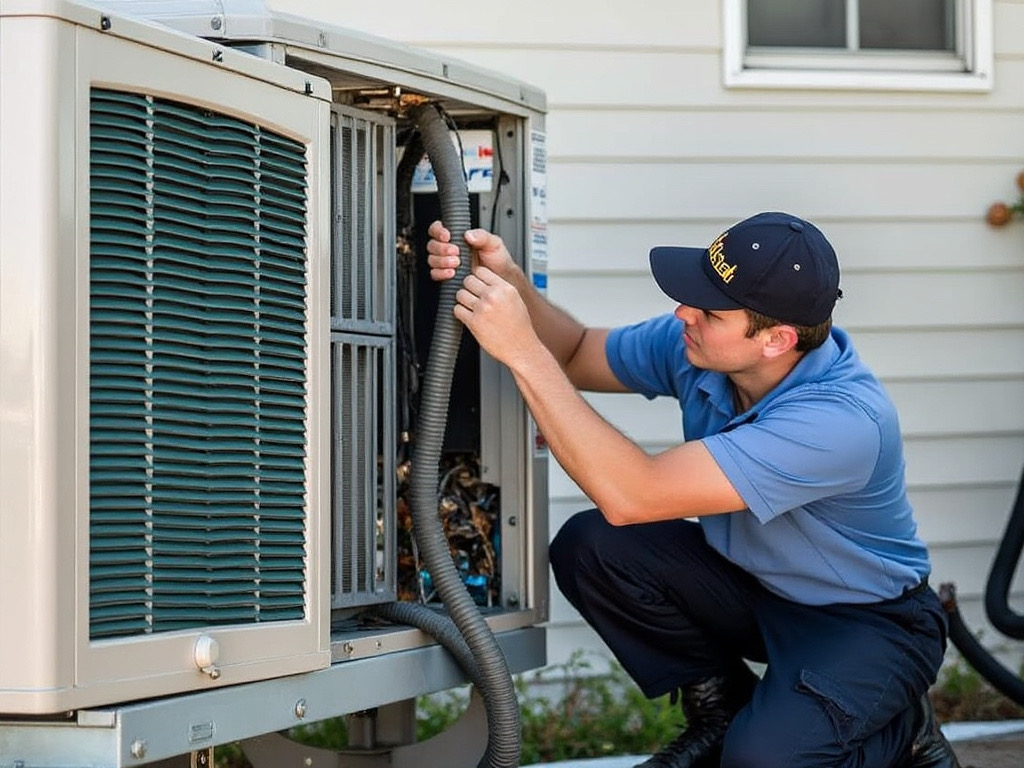
Inspecting ductwork is a critical component of commercial HVAC maintenance. Ducts often accumulate dust, debris, and contaminants that can impair system efficiency. Regular inspections help identify blockages or leaks that compromise airflow and overall comfort. A thorough check can reveal issues such as insufficient insulation or poorly sealed joints, which can lead to energy loss and increased operational costs.
Engaging commercial HVAC services ensures that ductwork is assessed for both performance and cleanliness. Professionals typically use specialized tools to detect leaks and measure airflow rates. This attention to detail assists in optimizing the heating and cooling system's performance, ultimately contributing to a healthier indoor environment for occupants. Duct inspections not only enhance efficiency but can also extend the lifespan of HVAC equipment.
Signs of Wear and Tear to Look For
Inspecting ductwork is vital in commercial HVAC maintenance. Look for signs of physical damage such as visible holes, cracks, or loose connections. These issues can lead to air leaks, reducing system efficiency and increasing energy costs. Dust and debris accumulation within ducts can also signal neglect. Regular maintenance by professionals can help identify these problems before they escalate.
Stains or discoloration on walls and ceilings near vents often indicate moisture issues. This can lead to mold growth, posing health risks for occupants. Additionally, unusual or persistent noises from the ductwork may suggest mechanical problems. Engaging with qualified Commercial HVAC Services can provide thorough inspections and necessary repairs to keep the system operating smoothly.
Refrigerant Management
Refrigerant management is a crucial aspect of commercial HVAC maintenance. Proper refrigerant levels are essential for the efficient operation of cooling systems. During maintenance checks, technicians monitor the refrigerant charge to ensure it is within manufacturer specifications. Insufficient refrigerant can lead to reduced cooling efficiency, increased energy consumption, and potential damage to the system. Regular inspections help maintain optimal refrigerant levels, preventing costly repairs down the line.
In addition to checking levels, addressing leaks is a vital part of refrigerant management. Leaks can significantly affect the performance of HVAC systems and contribute to environmental concerns. Commercial HVAC services often include comprehensive leak detection protocols. Identifying and repairing leaks promptly not only improves system efficiency but also enhances overall indoor air quality. By prioritizing refrigerant management, commercial properties can ensure their HVAC systems operate smoothly and sustainably.
Checking Levels and Addressing Leaks
Regular monitoring of refrigerant levels is crucial for maintaining optimal efficiency in commercial HVAC systems. Low refrigerant levels can lead to inadequate cooling, increased energy consumption, and potential system damage. Technicians must measure the refrigerant pressure using specialized gauges. Identifying any discrepancies early on can help prevent more significant issues down the line.
Addressing leaks in the refrigerant lines is equally important. A leak can compromise system performance and pose serious environmental risks. Skilled professionals in Commercial HVAC Services utilize advanced techniques such as electronic leak detectors to locate and repair leaks quickly. Ensuring that the refrigerant system is sealed and properly charged contributes not only to energy efficiency but also extends the lifespan of the HVAC equipment.
Electrical System Evaluation
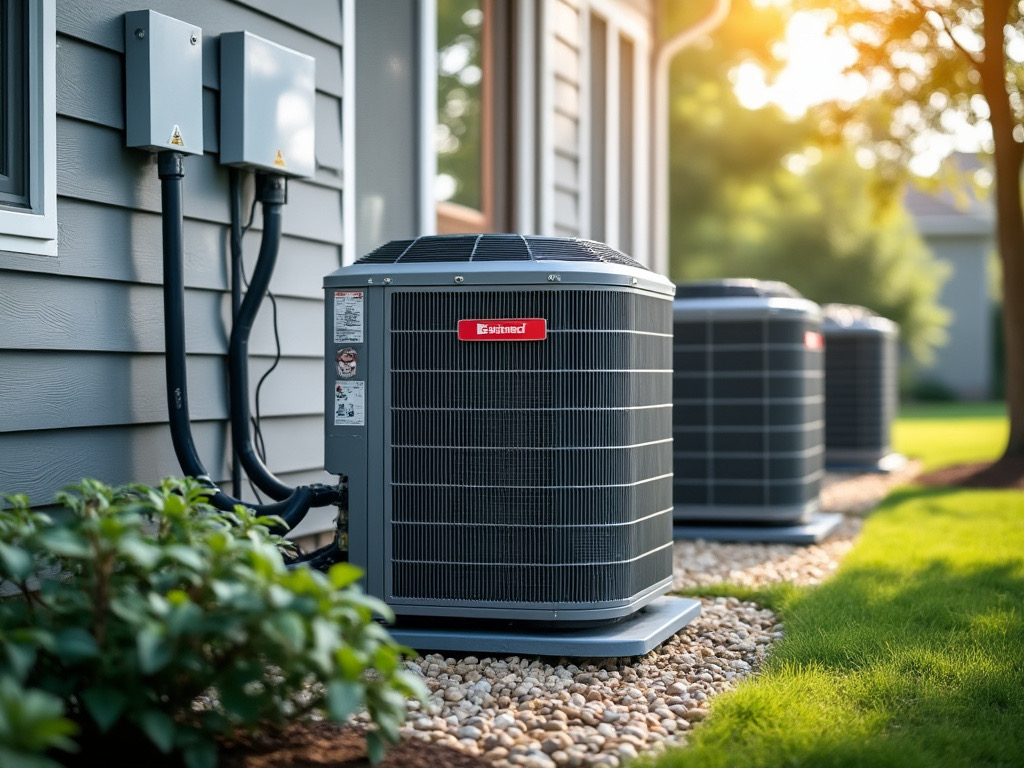
The electrical system in an HVAC unit plays a crucial role in its overall performance and efficiency. Regular evaluation of this system ensures that wiring, circuit breakers, and other components are functioning correctly. Faulty electrical connections can lead to inconsistent heating and cooling, increased energy expenses, and even complete system failure. Routine checks help identify potential issues before they escalate, allowing for timely repairs and reduced downtime.
Commercial HVAC services often include detailed inspections of electrical components. Technicians assess the condition of wiring and connections, ensuring everything is up to code and safe. They look for signs of overheating or corrosion that may indicate underlying problems. Proper maintenance not only prolongs the lifespan of the system but also enhances safety for both the building and its occupants. Effective electrical evaluations form an integral part of maintaining a reliable HVAC system.
Importance of Checking Wiring and Components
Electrical systems are critical in commercial HVAC units, as they control various functions necessary for optimal operation. Regular evaluation of wiring and components helps identify issues that could lead to system inefficiencies or complete breakdowns. Damage to wiring can hinder performance and increase the risk of electrical fires. Ensuring that wires are intact and well-connected contributes significantly to the longevity of the HVAC system.
Commercial HVAC services often include thorough inspections of electrical systems to detect signs of wear or deterioration. Over time, components can corrode, connections may loosen, and insulation might degrade. These factors not only jeopardize system efficiency but can also lead to costly repairs if not addressed promptly. By prioritizing the evaluation of these components, businesses can maintain a safe, efficient, and reliable HVAC system.
FAQS
What is commercial HVAC maintenance?
Commercial HVAC maintenance involves routine inspections, servicing, and repairs of heating, ventilation, and air conditioning systems in commercial buildings to ensure optimal performance and efficiency.
Why is ductwork inspection important in HVAC maintenance?
Inspecting ductwork is crucial as it helps identify any signs of wear and tear, blockages, or leaks that can affect system efficiency and indoor air quality.
How often should I schedule HVAC maintenance for my commercial building?
It is generally recommended to schedule HVAC maintenance at least twice a year, ideally before the peak seasons of heating and cooling, to ensure system reliability.
What should I look for to identify refrigerant leaks?
Signs of refrigerant leaks include a drop in cooling performance, ice buildup on coils, unusual noises from the system, and higher than normal energy bills.
Why is electrical system evaluation part of HVAC maintenance?
Evaluating the electrical system is important to ensure all wiring and components are functioning properly, which reduces the risk of system failures and enhances safety.