Maintenance Practices for HVAC Systems
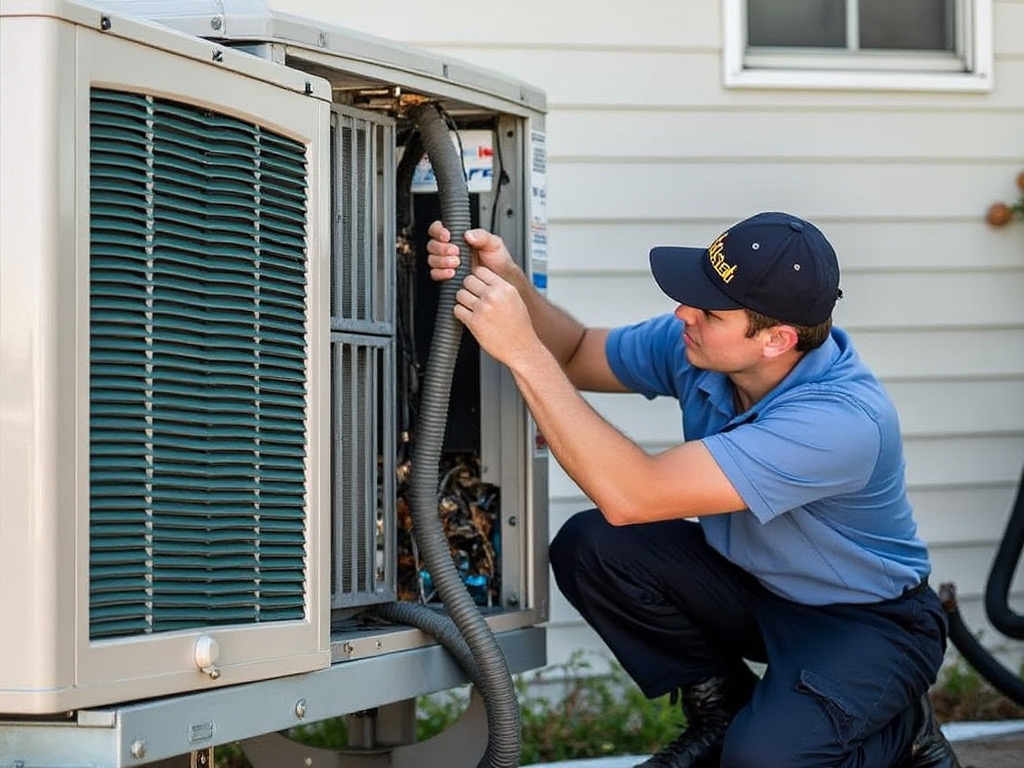
Regular maintenance is essential for ensuring that commercial HVAC systems operate efficiently and reliably. Routine inspections can identify potential issues before they escalate. Cleaning or replacing filters helps improve air quality and allows the system to run more smoothly. Technicians often check coolant levels and inspect components for wear and tear. This proactive approach minimizes downtime and reduces costly repairs.
Scheduling professional maintenance through commercial HVAC services is vital for maximizing system performance and longevity. These services typically include comprehensive check-ups that cover all crucial elements of the HVAC system. A thorough assessment ensures that inefficiencies are addressed and optimal performance is maintained throughout the system's lifespan. Engaging qualified professionals not only enhances functionality but also aids in complying with safety regulations.
Ensuring Optimal Performance and Longevity
Regular maintenance is essential for ensuring the optimal performance and longevity of commercial HVAC systems. Scheduled inspections allow technicians to identify potential issues before they escalate into major problems. Cleaning and replacing filters, checking refrigerant levels, and inspecting electrical components contribute to the efficient operation of the system. Neglecting these essential tasks can lead to reduced energy efficiency and a shorter lifespan for the equipment.
Implementing a proactive maintenance plan is beneficial in preserving system integrity. Business owners can leverage commercial HVAC services to create tailored maintenance schedules that suit their operational needs. This approach not only minimizes downtime but also enhances the comfort and air quality within buildings. Reducing the likelihood of unexpected breakdowns enables businesses to focus on their core operations without the added stress of HVAC-related disruptions.
Troubleshooting Common HVAC Issues
Unexpected changes in temperature can signal underlying issues with an HVAC system. A common problem arises from dirty filters, which can restrict airflow and lead to inefficiencies. Regular inspection and replacement of these filters can often resolve the issue. Additionally, thermostat malfunctions can result in irregular heating and cooling cycles. Ensuring that the thermostat is functioning correctly may require recalibration or replacement.
Another frequent issue involves unusual noises coming from the system. These noises can indicate loose components or potential mechanical failures. Addressing these sounds promptly helps prevent further damage. When these problems persist, seeking professional assistance is crucial. Commercial HVAC services offer expertise in diagnosing and rectifying these common HVAC issues, ensuring the system operates smoothly and efficiently.
Identifying and Resolving Frequent Problems
Frequent problems in commercial HVAC systems can manifest in various ways, impacting both comfort and efficiency. Common issues include inconsistent temperatures, unusual noises, and reduced airflow. Recognizing these symptoms early is crucial to prevent more extensive damage. Routine inspections can help pinpoint problems before they escalate, ensuring that the system continues to operate smoothly.
For effective resolution, businesses often rely on specialized Commercial HVAC Services. These professionals are equipped to diagnose the root cause of issues quickly and efficiently. They possess the expertise to address anything from minor repairs to complex malfunctions, ensuring that the HVAC system functions optimally. By leveraging these services, companies can maintain a comfortable indoor environment and extend the life of their HVAC systems.
Innovations in Commercial HVAC Technology
Advancements in commercial HVAC technology have transformed the industry, focusing on energy efficiency and sustainability. Many systems now utilize smart technology, allowing for real-time monitoring and adjustments based on occupancy and environmental conditions. These innovations help reduce operational costs and minimize the carbon footprint of commercial buildings. The integration of IoT sensors provides detailed insights into system performance. This data allows for proactive maintenance and timely interventions.
In addition to smart technologies, new refrigerants and system designs significantly enhance performance. Variable refrigerant flow (VRF) systems offer greater flexibility and customization for heating and cooling needs. Modern HVAC units are designed not only for efficiency but also for quieter operation. Commercial HVAC services are increasingly incorporating these advanced systems to meet the demands of businesses looking for reliable and eco-friendly climate control solutions.
Exploring Modern Advancements and Trends
Recent advancements in commercial HVAC technology have significantly improved energy efficiency and overall system performance. Enhanced automation features allow for better control of temperature and air quality, leading to optimized energy consumption. Smart thermostats and IoT connectivity enable facility managers to monitor and adjust system settings remotely, which simplifies energy management. These innovations help businesses reduce operational costs while maintaining a comfortable environment for employees and customers alike.
Moreover, the integration of sustainable practices into commercial HVAC services has gained traction. Many companies are now focusing on eco-friendly refrigerants and energy-efficient units that comply with environmental regulations. Advances in airflow technology, such as variable refrigerant flow systems, provide customized climate control while minimizing energy waste. As businesses increasingly prioritize sustainability, these trends in HVAC technology will play a crucial role in shaping the future of commercial buildings.
FAQS
What is the primary function of a commercial HVAC system?
The primary function of a commercial HVAC system is to regulate indoor temperature, humidity, and air quality to ensure a comfortable and healthy environment for occupants in commercial spaces.
How often should commercial HVAC systems be maintained?
Commercial HVAC systems should be maintained at least twice a year, ideally before the peak heating and cooling seasons, to ensure optimal performance and longevity.
What are some common issues that can affect commercial HVAC systems?
Common issues include inadequate cooling or heating, unusual noises, frequent cycling on and off, and poor air quality, which can often stem from dirty filters, refrigerant leaks, or faulty components.
What innovations are currently shaping the commercial HVAC industry?
Innovations such as smart thermostats, energy-efficient equipment, advanced filtration systems, and IoT integration are currently shaping the commercial HVAC industry by improving efficiency and user control.
How can businesses benefit from upgrading their HVAC systems?
Upgrading HVAC systems can lead to improved energy efficiency, lower operating costs, enhanced indoor air quality, and increased comfort for employees and customers, ultimately contributing to a better bottom line.