Advantages of Hiring a Plumber for Heating Repairs
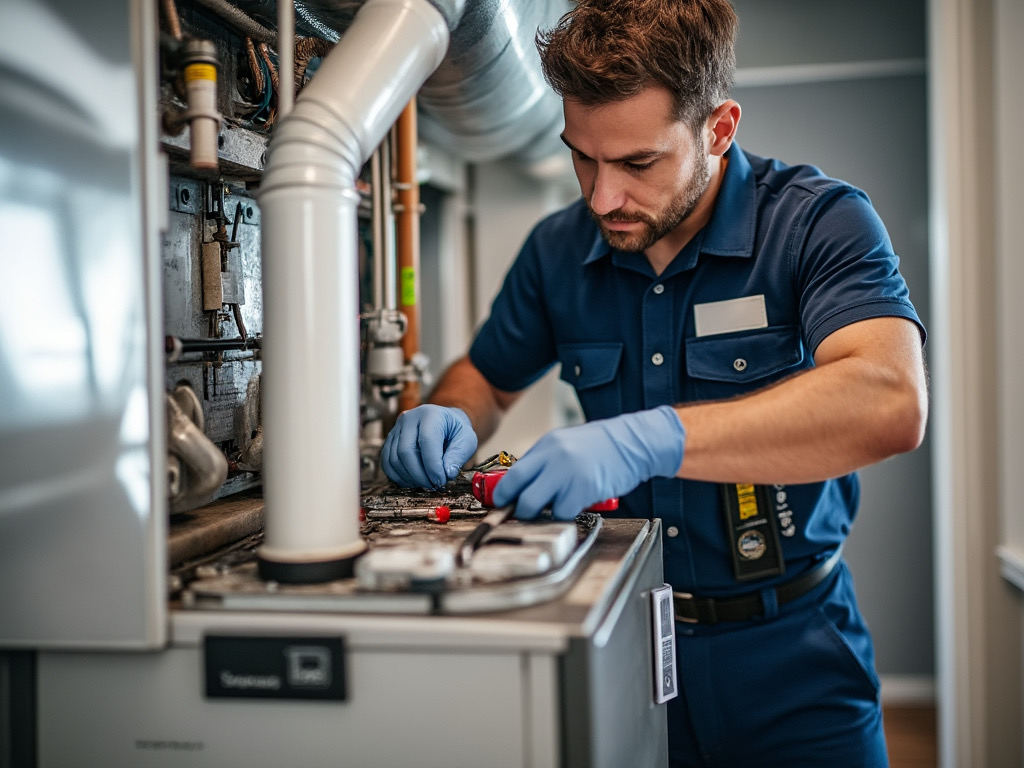
Hiring a plumber for heating repairs brings specialized expertise to the table. A trained plumber has in-depth knowledge of various heating systems and keeps up with the latest technology and industry standards. Their understanding of both plumbing and heating mechanics allows for accurate diagnostics and efficient repairs. This dual knowledge base ensures that potential issues are identified early, often preventing costly breakdowns down the line.
In addition to their technical skills, plumbers often have access to specialized tools and equipment needed for effective repair work. When facing complex problems, this can significantly reduce repair time compared to an inexperienced DIY approach. Plumbers also adhere to safety standards, minimizing risks that can arise from mishandling heating components. Overall, their proficiency in Heating System Installation and Repair guarantees that the job is completed correctly and safely.
Benefits of Professional Service Over DIY Solutions
Choosing to hire a professional plumber for heating system installation and repair can save homeowners time and reduce stress. Plumbers possess specialized training and experience that allow them to handle complex issues that may not be apparent to a layperson. They understand the intricacies of heating systems and are equipped with the right tools to diagnose problems accurately. This expertise minimizes the risk of further damage, ensuring that repairs are carried out efficiently and effectively.
DIY solutions often lead to more complications, especially with plumbing and heating systems. Homeowners may inadvertently overlook critical issues or use improper techniques, which can result in costly mistakes. Professional plumbers provide a warranty on their work, offering peace of mind that if further problems arise, they will take responsibility for addressing them. This reliability makes hiring a professional a more viable option than attempting to navigate repairs without adequate knowledge or resources.
The Process of Repairing a Heating System
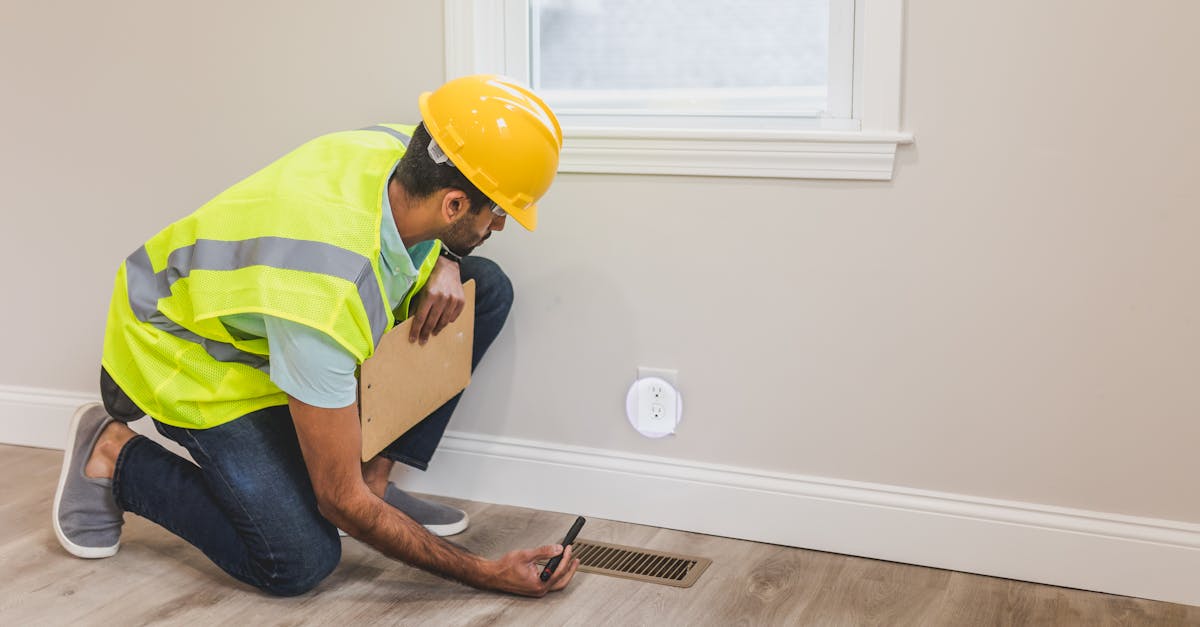
A plumber's first step in addressing any issues with a heating system is to conduct a thorough inspection. This process involves checking all components for signs of wear and tear, leaks, or other damage. The plumber will evaluate the functionality of the thermostat, inspect the furnace or boiler, and look at the ductwork to ensure proper airflow. Identifying the specific problem is crucial for determining the most effective repair strategy.
Once the inspection is complete, the plumber will provide a detailed assessment of what needs to be fixed or replaced. Many times, simple repairs may resolve the issue, but in some cases, major components might require replacement. This assessment also covers Heating System Installation and Repair, ensuring the homeowner understands the potential costs and implications of their options. After discussing the findings, the plumber will begin the repair process, taking care to follow safety protocols and manufacturer specifications.
Steps a Plumber Takes to Diagnose and Fix Issues
When addressing a malfunctioning heating system, a plumber begins with a thorough inspection to identify the root cause of the problem. This involves checking components such as the thermostat, pipes, and radiators. The plumber may take temperature readings, look for leaks, and test the system's overall functionality. By gathering data, they can pinpoint issues without jumping to conclusions, providing a more accurate basis for the repair process.
After diagnosis, the plumber moves into the repair phase, ensuring that all parts are functioning as they should. This step may involve replacing broken components or making adjustments to improve efficiency. Keeping in mind that proper Heating System Installation and Repair is crucial, they will take care to follow industry standards and safety protocols. Effective repairs not only restore heating functionality but also can help prolong the life of the system.
Cost Factors for Plumbing Heating Repairs
Several factors influence the cost of plumbing heating repairs. The type of heating system installed plays a pivotal role, with some systems requiring specialized skills and tools for effective repair. Additionally, the extent of the damage often dictates the cost, with minor repairs being more affordable than extensive system overhauls. Labor charges in different regions vary, affecting the overall expense for customers seeking professional assistance.
The age of the heating system can also impact repair costs. Older systems may require more frequent repairs due to wear and tear, leading to higher long-term expenses. Moreover, the availability of replacement parts can influence pricing, as rare components may necessitate additional sourcing time and expense. Homeowners should consider these aspects when budgeting for heating system installation and repair to avoid unexpected financial burdens.
Elements Influencing Repair Costs
Several elements can affect the costs associated with heating system installation and repair. The complexity of the system plays a significant role; more intricate systems often require specialized skills and equipment, which can increase labor costs. The type of heating system also matters. For example, a boiler may involve different expenses compared to a furnace due to variations in parts and maintenance requirements.
Additionally, the age of the existing heating system can impact repair costs. Older systems may require obsolete parts, making sourcing difficult and expensive. Labor rates in your area influence the overall price as well. If your region has a high demand for plumbing and heating services, professionals may charge more. Overall, understanding these factors can help in budgeting for heating system installation and repair more effectively.
FAQS
Can a plumber fix a heating system?
Yes, many plumbers are trained and qualified to repair heating systems, particularly those that involve water-based heating like boilers and radiators.
What are the advantages of hiring a plumber for heating repairs?
Hiring a plumber for heating repairs can ensure that the work is done professionally and safely. Plumbers have the necessary expertise to diagnose issues accurately, which can prevent further damage and save you money in the long run.
Are there benefits to hiring a professional over attempting DIY heating repairs?
Yes, professional plumbers have the experience and tools needed to resolve heating issues efficiently. They also understand local building codes and safety regulations, reducing the risk of errors that can arise from DIY attempts.
What steps does a plumber take to diagnose and fix heating system issues?
A plumber typically conducts a thorough inspection of the heating system, checks for leaks, examines the thermostat settings, and assesses the overall functionality of the system before making repairs.
What factors influence the cost of plumbing heating repairs?
Cost factors for plumbing heating repairs can include the nature of the problem, the type of heating system, the complexity of the repair, and labor costs. Additional elements such as parts and materials required can also affect the total expense.