Testing the Pilot Light or Ignition System
One of the first steps in troubleshooting a heating system is to test the pilot light or ignition system. A malfunctioning pilot light can prevent your system from generating heat, leading to an uncomfortable home. If your heating system relies on a pilot light, ensure it is lit and securely positioned. If your system uses an electronic ignition, listen for clicking sounds as the system attempts to ignite. Any irregularity in these functions could signal a problem that might require professional attention.
For heating system installation and repair, understanding how to properly ignite or replace the pilot light is essential. If the pilot light is out, turn off the gas supply and wait for a few minutes before relighting it. This helps dissipate any accumulated gas, promoting safety. Use a long lighter or match to reach the pilot assembly while following the instructions provided by your manufacturer. If the pilot continues to extinguish or fails to ignite, further inspection may reveal issues with the thermocouple or safety shut-off valve that need to be addressed by a qualified technician.
Steps for Igniting or Replacing the Pilot Light
If you discover that the pilot light is out, the first step is to locate the reset button or the gas valve, which is often situated near the pilot assembly. Turn the valve to the "off" position and wait for a few minutes to allow any gas to dissipate. Once it's safe, switch the valve back to "on" and push the reset button, if applicable. While holding the reset button, use a long lighter to ignite the pilot light. Keep your hand away from a direct flame and ensure proper ventilation in the area. If the light re-ignites successfully, you should observe a steady flame.
In cases where the pilot light refuses to stay lit, there may be a need for a replacement or further investigation of the issue. Inspect the thermocouple, as a malfunctioning part could prevent the pilot from staying ignited. If replacing the thermocouple is necessary, consult your owner’s manual or consider reaching out to a professional for assistance. Regular maintenance is essential, so keeping up with tasks like ensuring clean burners and checking for appropriate air flow contributes to efficient heating system operation. For complex issues, referring to professionals specializing in Heating System Installation and Repair can save time and ensure safety.
Examining the Furnace or Boiler
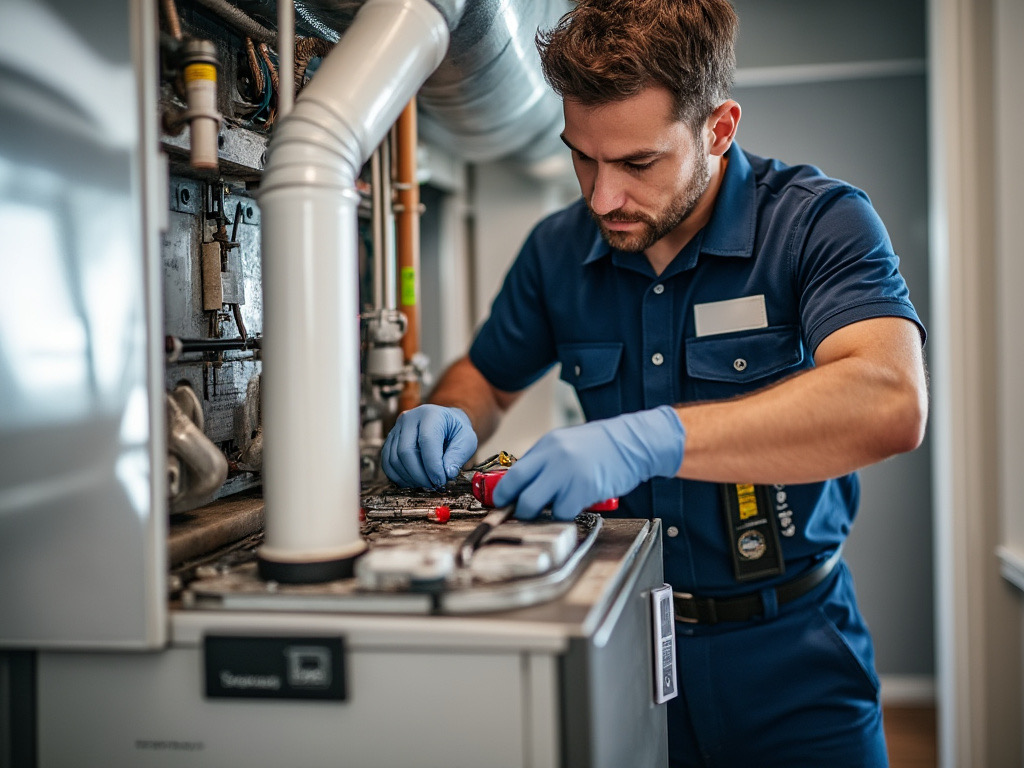
When examining the furnace or boiler, start by assessing the overall condition and functionality of the unit. Look for any signs of wear and tear, such as rust, leaks, or unusual noises. Checking the air filters is also essential, as clogged filters can impede airflow and diminish efficiency. Regular maintenance plays a crucial role in extending the lifespan of the heating system. Proper Heating System Installation and Repair practices lay the foundation for effective operation.
Next, inspect the boiler pressure gauge or the furnace thermostat settings. Ensure they are operating within the manufacturer's recommended ranges. A noticeable fluctuation in pressure or incorrect temperature settings can signal underlying issues that require attention. Additionally, check the flue pipe for proper ventilation to prevent dangerous fumes from accumulating indoors. It’s important to address these concerns promptly to maintain a safe and efficient heating environment.
Key Components to Check and Maintain
When maintaining your heating system, several key components require regular inspection to ensure optimal performance. Start by examining the thermostat, which regulates the system's temperature settings. A malfunctioning thermostat can lead to incorrect readings, affecting the efficiency of the entire heating system. Make sure to calibrate it periodically and replace batteries if needed. Additionally, check the air filter; a clogged filter restricts airflow and can cause overheating. Replace or clean the filter at least every three months to maintain good air quality and efficient heating.
The burners or heating elements are also crucial for maintaining effective heating. Inspect them for dirt or buildup that can hinder their performance. This step may require cleaning or even replacement, depending on their condition. Another important aspect is the flue or venting system, which should be free of obstructions to ensure safe operation. Regular inspections of these components can prevent costly failures down the line, enhancing both the safety and longevity of your heating system. If you notice significant issues, consider professional Heating System Installation and Repair to address complex problems.
Flushing the Radiator System
Flushing the radiator system is an essential maintenance task that helps enhance the efficiency of your heating system. Over time, sediment and debris can build up in the radiators, leading to reduced heat output and potential damage. Regular flushing removes these unwanted materials, ensuring an even distribution of heat throughout your home. This process is particularly important if you've noticed cold spots on your radiators or if the system has not been serviced for some time.
To effectively flush your radiators, start by turning off your heating system and allowing the radiators to cool down completely. Then, locate the bleed valve on each radiator and use a radiator key or screwdriver to open it carefully, releasing trapped air and water. Once water flows steadily from the valve, close it and repeat the process for each radiator. After you've flushed the system, check the pressure on your boiler and refill it if necessary. For those unfamiliar with the process or for more complex issues, consider reaching out to a professional service specializing in Heating System Installation and Repair.
How to Remove Air Bubbles from Radiators
Removing air bubbles from radiators is an essential maintenance task that ensures your heating system operates efficiently. Begin by turning off the heating system to prevent any burns or discomfort. Locate the bleed valve, usually found at the top of the radiator. Use a radiator key or a flathead screwdriver to gently turn the valve counterclockwise. You may hear a hissing sound as trapped air escapes, which indicates that the process is working correctly. Be prepared with a cloth or small container to catch any water that may flow out once the air has been released.
After the air has been bled from the radiator, check the pressure gauge on your boiler or heating system. If the pressure is low, you may need to add water to your system. This can typically be done through a filling loop, which connects to your water supply. Following these steps ensures that your radiators heat evenly and effectively. Regular maintenance, including air removal, is crucial for optimal performance and longevity of your heating system. For more complex issues, consider consulting professionals specializing in Heating System Installation and Repair.
FAQS
What should I do if my heating system is not turning on?
First, check the thermostat to ensure it is set to a temperature higher than the current room temperature. If it’s set correctly, inspect your circuit breaker or fuse box to see if a breaker has tripped or a fuse has blown.
How can I tell if my pilot light is out?
If your heating system is not producing heat and you see no flame in the pilot light tube, it may be out. Additionally, you might notice a smell of gas or a flickering light when trying to ignite the system.
What are the common signs that my furnace needs maintenance?
Common signs include unusual noises, inconsistent heating, frequent cycling on and off, and an increase in your energy bills. If you see any leaks or rust, that can also indicate maintenance is needed.
How often should I flush my radiator system?
It’s recommended to flush your radiator system at least once a year, especially before the heating season begins, to remove any built-up sediment or air bubbles that can affect performance.
Can I fix my heating system myself, or should I call a professional?
Many minor issues, such as checking the pilot light or changing the thermostat batteries, can be safely handled by homeowners. However, for more complex problems involving the furnace, boiler, or electrical systems, it is best to consult a professional technician.