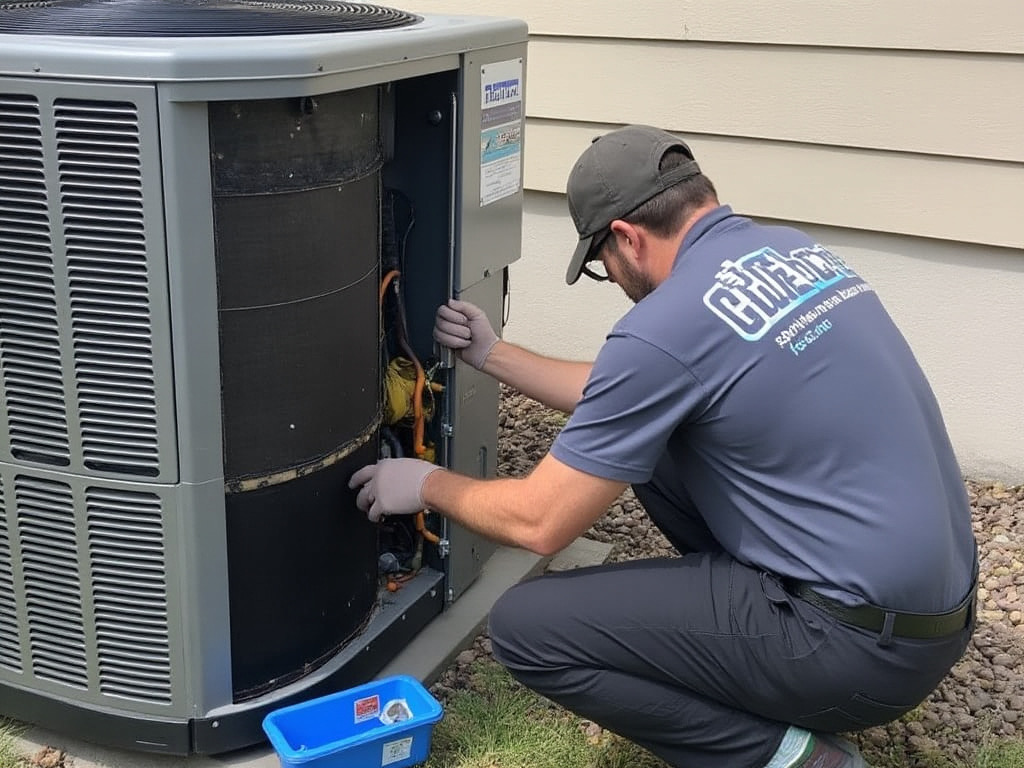
DIY Tune-Up vs. Professional Service
When considering a DIY tune-up, many car owners find it appealing due to cost savings and the satisfaction of completing the task themselves. Performing Maintenance and Tune-Ups at home allows individuals to familiarize themselves with their vehicle's workings. Basic tasks like changing oil, replacing air filters, and inspecting spark plugs can often be handled with minimal mechanical knowledge. However, this approach can also come with risks, particularly if the car owner lacks the necessary experience or tools. Mistakes during the process can lead to further issues or even jeopardize safety on the road.
Opting for professional service can provide peace of mind, as licensed mechanics possess the knowledge and tools required for thorough Maintenance and Tune-Ups. While this option may incur higher costs, it often results in more reliable outcomes. Professionals can spot potential problems that a DIYer might overlook. Furthermore, trusting a mechanic with your vehicle means benefitting from warranties on the services performed and potentially avoiding costly repairs down the line. Ultimately, drivers must weigh the trade-offs between saving money and ensuring quality and reliability in their vehicle maintenance.
Pros and Cons of Each Approach
When considering a DIY approach to Maintenance and Tune-Ups, many car owners appreciate the cost savings. Performing the work at home eliminates labor fees from professional services. Additionally, it allows for flexibility in scheduling. However, a lack of experience or proper tools can lead to mistakes. These errors may result in more significant issues down the line, potentially negating any initial savings.
On the other hand, opting for professional service ensures that the Maintenance and Tune-Ups are performed by experienced technicians. This can provide peace of mind, as they have the right tools and knowledge to diagnose and address issues accurately. However, this convenience comes at a higher cost. Car owners should carefully weigh their budget against the potential for more comprehensive servicing when deciding which approach is best for them.
How to Choose a Reliable Mechanic
Finding a reliable mechanic is essential for ensuring your vehicle receives the best care during Maintenance and Tune-Ups. Start by seeking recommendations from friends, family, or online reviews. Look for mechanics with positive testimonials that emphasize their expertise, honesty, and fairness in pricing. Certification from recognized organizations like the National Institute for Automotive Service Excellence (ASE) can also indicate a mechanic's level of professionalism and skill.
Once you have a few potential candidates, visit their shops to gauge the environment. A well-organized and clean facility often reflects the mechanic's approach to their work. Don’t hesitate to ask questions about their experience with your specific vehicle make and model. Inquire about their process for Maintenance and Tune-Ups, including the types of services offered and warranty options. A good mechanic should be willing to communicate openly and provide clear answers, ensuring you feel confident in your choice.
Tips for Finding Quality Service
When searching for reliable service for your vehicle, consider asking friends or family for recommendations. Their personal experiences can help guide you toward trustworthy mechanics. Online reviews and ratings on platforms like Google or Yelp can provide insights into customer satisfaction. Pay attention to any recurring themes in feedback, particularly regarding Maintenance and Tune-Ups.
It's also important to ensure that the mechanic you choose is certified and has the necessary qualifications. Look for certifications from recognized organizations, which demonstrate their expertise in handling various car issues. Don’t hesitate to ask about their experience with Maintenance and Tune-Ups specific to your vehicle make and model. A reputable mechanic will appreciate your interest and be willing to discuss their processes.
Additional Costs to Consider
When budgeting for a full tune-up, it's important to consider potential additional costs that may arise during the service. Maintenance and tune-ups often involve replacing worn parts, such as spark plugs, air filters, and fuel filters. Each of these components contributes to the overall performance of the vehicle. If the mechanic identifies any issues during the inspection, you might need to factor in the cost of repairs or replacements, which can vary significantly depending on the make and model of your car.
Labor fees should also be taken into account when estimating the total cost. While some shops may offer flat-rate pricing for tune-ups, others may charge hourly rates for labor. The complexity of the tune-up can influence how long it takes to complete, resulting in increased labor costs. Therefore, understanding both parts replacement and labor fees is essential for a comprehensive financial plan when it comes to routine maintenance and tune-ups.
Parts Replacement and Labor Fees
When considering the cost of a full tune-up, it's essential to account for parts replacement and labor fees. During Maintenance and Tune-Ups, mechanics often check and replace various components such as spark plugs, air filters, and fluids. The overall cost will vary based on the make and model of the vehicle, as well as the specific parts that require replacement. Some vehicles may need more extensive work, leading to increased expenses.
Labor fees typically encompass the time required for the mechanic to perform the necessary inspections and replacements. Shops may charge hourly or offer flat-rate pricing dependent on the job's complexity. Depending on location and the mechanic’s experience, labor costs can vary significantly, impacting the overall expense of Maintenance and Tune-Ups. It's wise to obtain estimates from different service providers to ensure you're receiving a fair price.
FAQS
What is the average cost of a full tune-up?
The average cost of a full tune-up typically ranges from $50 to $150, depending on the make and model of the vehicle and the services included.
What services are usually included in a full tune-up?
A full tune-up generally includes replacing spark plugs, checking and replacing air and fuel filters, inspecting the ignition system, and performing a general check of the engine components.
Can I perform a tune-up myself, or should I hire a professional?
You can perform a DIY tune-up if you have the necessary skills and tools, but hiring a professional may ensure a more thorough job and save you time and potential mistakes.
Are there any additional costs to consider for a tune-up?
Yes, additional costs can include parts replacement, labor fees, and any necessary repairs that may be identified during the tune-up process.
How often should I get a tune-up for my vehicle?
It is generally recommended to get a tune-up every 30,000 to 100,000 miles, but you should also refer to your vehicle's owner manual for specific guidance based on your car's needs.