Electrical Requirements for AC Units
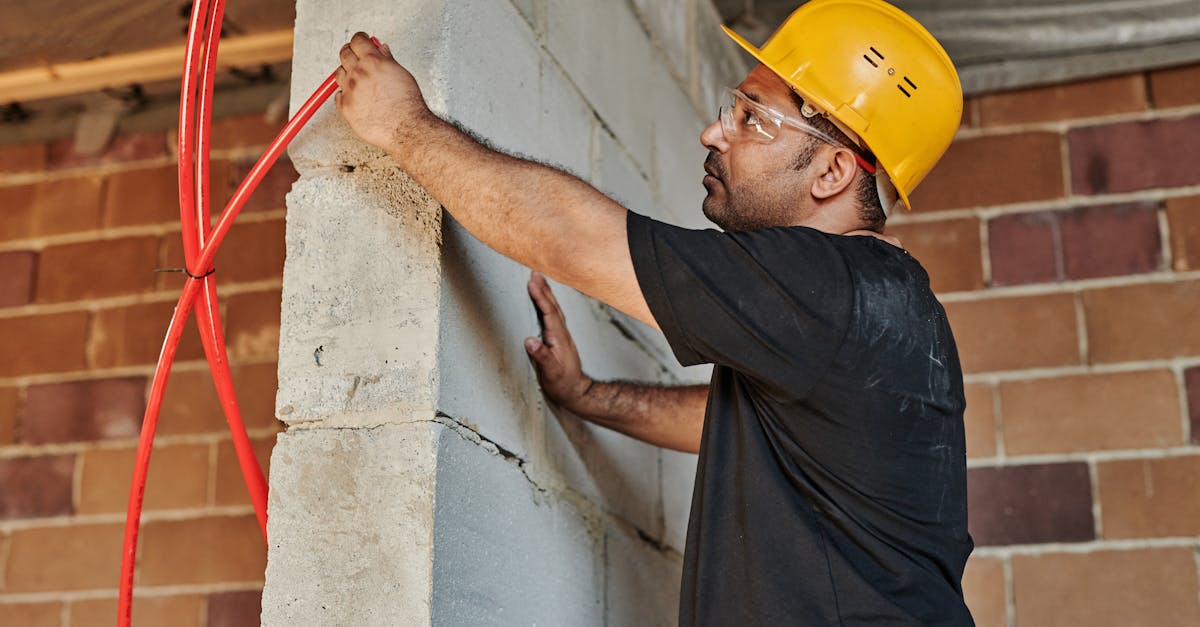
Installing an air conditioning unit requires a thorough understanding of the electrical requirements essential for safe and efficient operation. First, the installation site must have an adequate power supply, capable of supporting the unit's voltage and amperage. This often necessitates upgrading the electrical panel or adding dedicated circuits to meet the specifications provided by the manufacturer. Proper wiring and circuit breakers are vital to prevent overloads and electrical hazards.
Additionally, grounding and bonding are crucial components in ensuring the system operates safely. Compliance with local electrical codes is mandatory, as these regulations help to mitigate risks associated with electrical surges or malfunctions. Professionals involved in Air Conditioning System Installation and Repair ensure all electrical aspects are accurately addressed, thus guaranteeing the reliability and longevity of the system.
Ensuring Compliance and Safety
Ensuring compliance with local codes and safety standards is critical during the installation of an air conditioning system. This process often requires the expertise of licensed professionals who are familiar with regulations that pertain to HVAC systems. Proper installation not only guarantees that the system operates efficiently but also minimizes risks associated with electrical hazards and refrigeration leaks. Adhering to guidelines set forth by regulatory bodies can save homeowners from potential fines and liabilities.
In addition to compliance with regulations, safety checks should be performed once the air conditioning system installation and repair is complete. This includes verifying that the electrical connections are secure, the refrigerant levels are appropriate, and the drainage systems are functioning properly. Regular inspections can prevent future problems and enhance the longevity of the air conditioning unit, ultimately promoting a safe and comfortable environment for occupants.
Testing the System After Installation
After completing the Air Conditioning System Installation and Repair, it is vital to conduct thorough testing to ensure everything is functioning as intended. This includes checking refrigerant levels, inspecting for leaks, and ensuring that all electrical connections are secure. The thermostat should be calibrated to guarantee accurate temperature readings. Proper airflow is also critical, so testing the airflow at each vent can help identify any potential issues.
Verifying the system's performance involves running the air conditioning unit through its various modes. Monitoring the sound levels provides insight into whether the system operates smoothly or has unusual noises that may indicate problems. Additionally, energy efficiency should be assessed during this testing phase. Attention to detail during this process can significantly enhance the longevity and performance of the air conditioning system.
Verifying Performance and Efficiency
After the installation of an air conditioning unit, verifying performance and efficiency is crucial. Technicians often begin this process by assessing the system's airflow. This step involves checking for any obstructions in the ducts and ensuring the airflow meets the manufacturer's specifications. Measuring the temperature differential between the supply and return air helps identify potential issues related to ductwork or internal components.
Energy efficiency is another critical aspect of post-installation evaluation. The technician will examine the Seasonal Energy Efficiency Ratio (SEER) rating and ensure that the system operates within the expected parameters. Adjusting settings on the thermostat can also be part of the verification process. For optimal results, a professional service specializing in Air Conditioning System Installation and Repair can provide thorough checks and recommendations for any necessary adjustments.
Maintenance Considerations Post-Installation
Proper maintenance is essential to ensure the longevity and efficiency of your air conditioning unit after installation. Regularly inspecting filters, cleaning coils, and ensuring proper drainage can prevent a range of issues. Scheduling seasonal check-ups with professionals helps in identifying potential problems before they escalate. It is crucial to follow a maintenance program tailored to the specific needs of your system, as different models may have unique requirements. This routine care not only enhances performance but also contributes to energy savings.
Engaging a qualified technician for Air Conditioning System Installation and Repair can significantly impact the effectiveness of your maintenance efforts. They can provide insights into best practices for upkeep and troubleshoot any emerging issues. By establishing a maintenance schedule, homeowners can ensure their systems operate seamlessly throughout the changing seasons. Keeping accurate records of all maintenance activities enables better planning and informs future repair needs, helping to maximize the lifespan of the unit.
Establishing a Maintenance Schedule
Establishing a maintenance schedule is crucial for the long-term performance of your air conditioning system. Regular check-ups can help identify minor issues before they escalate into major problems, ensuring that the unit operates efficiently. Technicians can clean filters, check refrigerant levels, and inspect electrical components during these appointments. It allows for ongoing evaluation of system performance, ultimately extending the lifespan of the air conditioning system.
It is advisable to consult with professionals who specialize in air conditioning system installation and repair for guidance on your specific unit's needs. Some manufacturers provide their recommendations for maintenance intervals, while local climate conditions may also influence the schedule. Regular attention to maintenance tasks ensures optimal air quality and energy efficiency while keeping your cooling system in peak condition.
FAQS
What are the key components included in an AC installation?
AC installation typically includes the setup of the air conditioning unit, ductwork installation or modification (if necessary), electrical connections, refrigerant line setup, and the installation of a thermostat.
How can I ensure my AC installation meets safety standards?
To ensure compliance and safety, it's important to hire a licensed HVAC professional who follows local codes and regulations, conducts thorough inspections, and obtains any necessary permits.
What measures are taken to test an AC system after installation?
After installation, technicians perform a series of tests including checking refrigerant levels, ensuring proper airflow, testing electrical connections, and assessing the overall system performance and efficiency.
How often should I schedule maintenance for my newly installed AC unit?
It is recommended to establish a maintenance schedule that includes servicing your AC unit at least once a year, ideally before the cooling season begins, to ensure optimal performance and longevity.
What should I do if my AC unit is not performing efficiently after installation?
If you notice performance issues, contact your HVAC technician to troubleshoot the problem. They can check for common issues such as refrigerant leaks, airflow obstructions, or electrical problems to restore efficiency.