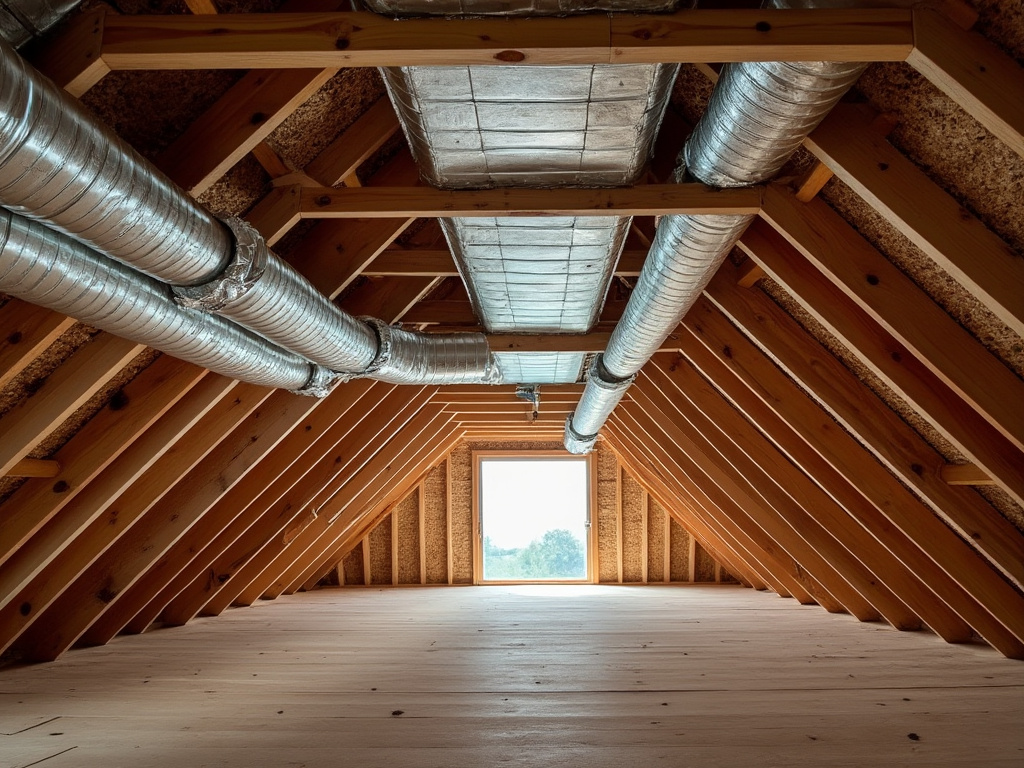
Choosing the Right Ductwork Materials
When selecting ductwork materials, it is crucial to consider the efficiency and durability of different options. Common materials include galvanized steel, aluminum, and flexible plastic. Each material offers distinct advantages and disadvantages in terms of cost, weight, and longevity. Galvanized steel is known for its strength and resistance to rust, while aluminum is lighter and less prone to corrosion. Flexible plastic ductwork can simplify installation but may have limitations in temperature tolerance and longevity.
Choosing the appropriate material can significantly impact your HVAC system's performance and energy consumption. The right selection not only minimizes air leakage but also contributes to better indoor air quality. Consulting professionals experienced in Ductwork Installation and Repair can help ensure that the chosen materials meet specific needs and standards, leading to an optimal cooling and heating experience for your home. Understanding these nuances is essential for making an informed decision.
Options Available for Ductwork Replacement
When considering options for ductwork replacement, homeowners can choose from various materials that suit their specific needs. Popular choices include sheet metal, fiberglass, and flexible ducting. Sheet metal is durable and offers excellent airflow, making it a common choice for many HVAC systems. Fiberglass ducts provide good insulation properties and can help reduce energy loss, while flexible ducting is easier to install in tight spaces. Each option presents unique advantages depending on factors such as budget, available space, and energy efficiency goals.
It is essential to involve qualified professionals during the decision-making process and the actual Ductwork Installation and Repair. Experts can assess existing systems, recommend the most suitable materials, and ensure proper installation. The right choice of ductwork not only improves system performance but also contributes to energy savings over time. Taking these steps ensures optimal airflow, enhancing overall comfort within the home.
Installation Process for New Ductwork
The installation of new ductwork involves several critical steps to ensure maximum efficiency and proper air distribution throughout a home. Initial planning is necessary, including evaluating the existing system and determining the best layout for new ducts. This assessment helps identify any potential obstacles and optimizes airflow. Once the design is established, the team can begin removing old ducts if necessary and preparing the space for installation.
During the actual ductwork installation process, precise measurements and careful positioning are essential. Workers will install the ducts according to the plan, sealing all joints to prevent air leaks. Ensuring that the new system connects seamlessly to the heating and cooling equipment is crucial for overall performance. With proper installation, homeowners can enjoy improved energy efficiency and enhanced comfort, highlighting the importance of professional Ductwork Installation and Repair services.
Steps Involved in Ductwork Installation
The steps involved in ductwork installation can vary significantly based on the home's layout and existing systems. Initially, the old ductwork must be inspected and, in many cases, removed. Proper planning includes measuring the area where new ducts will be installed. This ensures that the new ducts fit well and don't hinder airflow. Once the measurements are confirmed, the team will choose appropriate materials that match the HVAC system's specifications and the home's needs.
After the preparation phase, the actual installation process begins. New duct segments are strategically placed, connected, and sealed to prevent leaks. Insulation often gets added around the ducts to reduce energy loss. The final steps involve testing the system to ensure that airflow is adequate and that the installation adheres to local building codes. Ductwork installation and repair is crucial not only for efficiency but also for maintaining a comfortable indoor environment.
The Impact of Ductwork on Indoor Air Quality
Ductwork plays a critical role in maintaining indoor air quality within a home or building. When duct systems are compromised due to age, damage, or improper design, they can contribute to the circulation of pollutants. Dust, allergens, and other contaminants can accumulate over time, leading to respiratory issues and other health problems for occupants. Ensuring that ductwork is clean and well-maintained is essential for optimal air quality.
The process of Ductwork Installation and Repair is vital in addressing these concerns. Proper installation can enhance air circulation while minimizing the potential for mold growth and dusty environments. Choosing the right materials and techniques during installation not only improves efficiency but also enhances the overall air quality in a controlled environment. By focusing on these aspects, homeowners can create a healthier living space.
How Ductwork Affects Air Circulation
The design and layout of ductwork play a crucial role in determining how effectively air circulates throughout a building. Properly sized and configured ducts ensure that conditioned air reaches all spaces evenly. When ductwork is outdated or improperly installed, it can lead to significant inefficiencies. Hot or cold spots may develop in various rooms, creating discomfort and driving up energy costs.
Ductwork impacts not only temperature control but also overall air quality. Leaks or blockages can allow dust, allergens, and other pollutants to enter the airflow. This can exacerbate respiratory issues for occupants and diminish the effectiveness of filtration systems. Regular Ductwork Installation and Repair are essential to maintaining optimal air circulation and ensuring a healthy indoor environment.
FAQS
What are the main benefits of replacing ductwork?
Replacing ductwork can improve energy efficiency, enhance indoor air quality, reduce noise levels, and ensure better temperature control throughout your home.
How do I know if my ductwork needs to be replaced?
Signs that your ductwork may need replacement include visible damage or wear, frequent heating and cooling issues, increased energy bills, and poor indoor air quality.
What materials are commonly used for new ductwork?
Common materials include sheet metal, fiberglass, and flexible ducting, each with its own benefits regarding durability, insulation, and ease of installation.
How long does the installation process for new ductwork usually take?
The installation process typically takes one to three days, depending on the complexity of the system and the size of your home.
Can replacing ductwork improve my home's air circulation?
Yes, new ductwork can significantly improve air circulation by eliminating leaks and blockages, ensuring that air flows efficiently throughout your home.