Common Mistakes During Installation
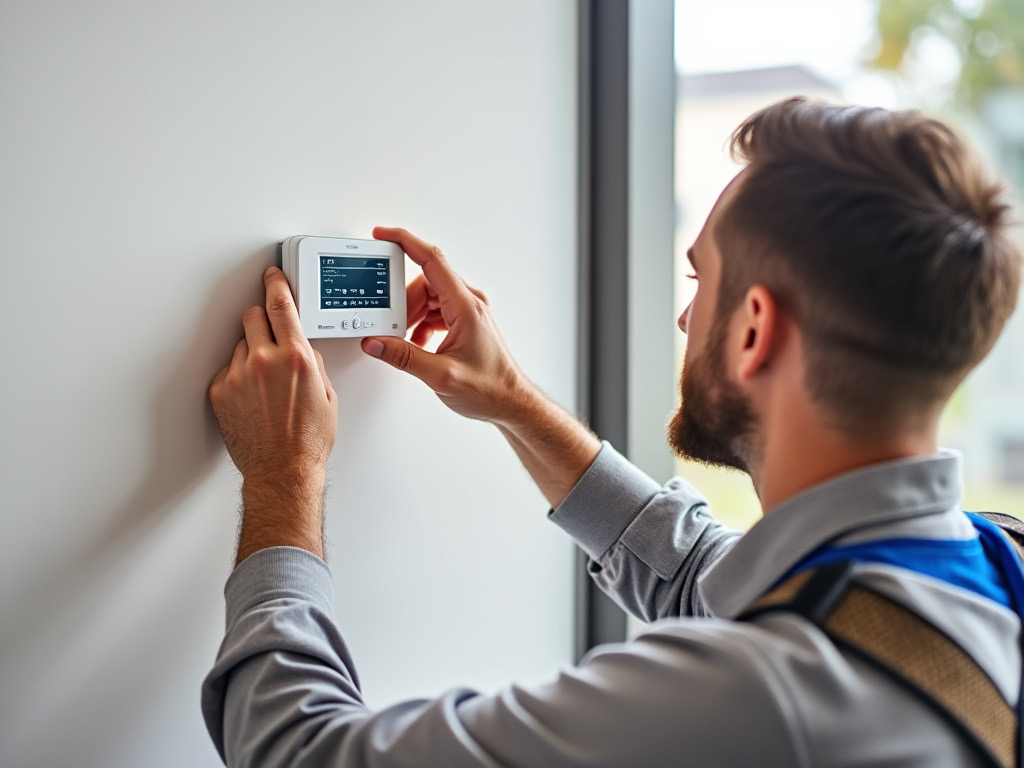
One of the most frequent mistakes made during thermostat installation involves improper wiring. Incorrect connections can lead to malfunctions, causing the thermostat to fail to communicate effectively with the heating and cooling systems. This not only creates discomfort in the home but can also result in higher energy bills due to inefficient operation. Homeowners often underestimate the importance of following the manufacturer's instructions, which can lead to costly issues down the line.
Another common error occurs when the thermostat is installed in an unsuitable location. Placing the thermostat near drafts, direct sunlight, or heat sources can result in inaccurate temperature readings and poor temperature control. This can diminish the efficiency of one’s HVAC system, leading to increased energy consumption. A professional with experience in thermostat installation and repair can help ensure that the device is positioned correctly for optimal performance.
How to Avoid Costly Errors
One of the primary errors during thermostat installation stems from improper wiring. Many homeowners may underestimate the importance of following the manufacturer's guidelines, which can lead to malfunctioning units or even damage to their HVAC system. To avoid these issues, it’s crucial to double-check all connections and color codes. Using a multimeter to ensure proper voltage can prevent costly repairs down the line.
Incorrect placement of the thermostat can also lead to significant problems. If installed in an area affected by drafts, direct sunlight, or heat sources, the thermostat may read inaccurate temperatures and cause the heating or cooling systems to work inefficiently. Selecting an appropriate location where the thermostat can accurately gauge the home's overall temperature is vital for effective operation. Seeking professional assistance with Thermostat Installation and Repair might be the best route for those uncertain about the process.
Benefits of Upgrading Your Thermostat
Upgrading your thermostat can lead to significant benefits, particularly in energy efficiency. Advanced models come equipped with features like scheduling and remote control, allowing homeowners to customize their heating and cooling patterns. This level of control minimizes energy waste, which can translate into lower utility bills over time. A modern thermostat can also learn your habits, adjusting settings automatically to ensure optimal comfort while conserving energy.
Another advantage of a new thermostat involves improved accuracy in temperature regulation. Older models may have outdated technology that can lead to fluctuations in indoor climate. A more advanced system generally offers precise temperature control, which not only enhances comfort but also extends the life span of your HVAC system. Investing in Thermostat Installation and Repair services can ensure that your new device is installed correctly, maximizing its benefits and functionality.
Energy Efficiency Gains
Upgrading to a modern thermostat can lead to significant energy efficiency gains. Smart thermostats, for instance, allow homeowners to tailor heating and cooling schedules according to their routines. This means less energy wasted on heating or cooling empty rooms. By optimizing temperature settings based on occupancy, these devices can reduce overall energy consumption and lead to lower utility bills.
Investing in Thermostat Installation and Repair ensures that devices are properly integrated into home systems. A professionally installed thermostat can work seamlessly with existing HVAC systems, maximizing their efficiency. While the upfront cost may deter some homeowners, the long-term savings on energy bills can make this investment worthwhile. Additionally, many newer thermostats feature energy usage reports, providing insights that can further help in reducing consumption.
Choosing the Right Installer
Selecting the right installer is critical for achieving an efficient and effective thermostat installation. When seeking a contractor for Thermostat Installation and Repair, it's essential to consider their qualifications, experience, and customer reviews. Look for professionals who are licensed and insured. A contractor with a solid reputation will often provide proof of their previous work and client satisfaction. This not only ensures that the installation is done correctly but also minimizes the chances of future issues.
In addition to verifying credentials, ask for referrals or recommendations from friends and family. Personal experiences can provide insight that online reviews may not capture. Schedule consultations with potential installers to discuss your specific needs and gauge their expertise. A reliable installer should be able to explain the installation process clearly and answer any questions you may have about the systems they work with. Prioritizing these factors will help ensure a smooth installation experience.
What to Look for in a Contractor
When searching for a contractor for thermostat installation and repair, consider their experience and qualifications. Look for professionals who are licensed and insured. A well-established contractor often has a portfolio of previous work and can provide references. Verifying a contractor's credentials ensures that they are knowledgeable about various thermostat systems and current installation techniques.
Communication is also key when selecting a contractor. A reliable professional should be willing to explain the installation process, address any concerns, and answer questions thoroughly. A contractor who prioritizes customer satisfaction will make the process smoother and reduce the potential for misunderstandings. Trusting your contractor can lead to a successful thermostat installation and repair experience.
FAQS
How much does it typically cost to install a thermostat?
The cost to install a thermostat can vary widely, ranging from $100 to $300, depending on the type of thermostat, additional features, and labor charges.
Are there any additional costs I should consider when installing a thermostat?
Yes, additional costs may include wiring upgrades, compatibility checks with your HVAC system, and any required permits or inspections.
Can I install a thermostat myself to save money?
While DIY installation is possible, it is important to ensure you have the right tools and knowledge to avoid costly mistakes. Incorrect installation can lead to system malfunctions.
What are the benefits of upgrading my thermostat?
Upgrading your thermostat can lead to improved energy efficiency, better temperature control, and potential savings on energy bills over time.
How can I choose the right installer for my thermostat?
Look for qualified contractors with good reviews, relevant certifications, and experience installing the specific type of thermostat you want. Always ask for quotes and compare services.