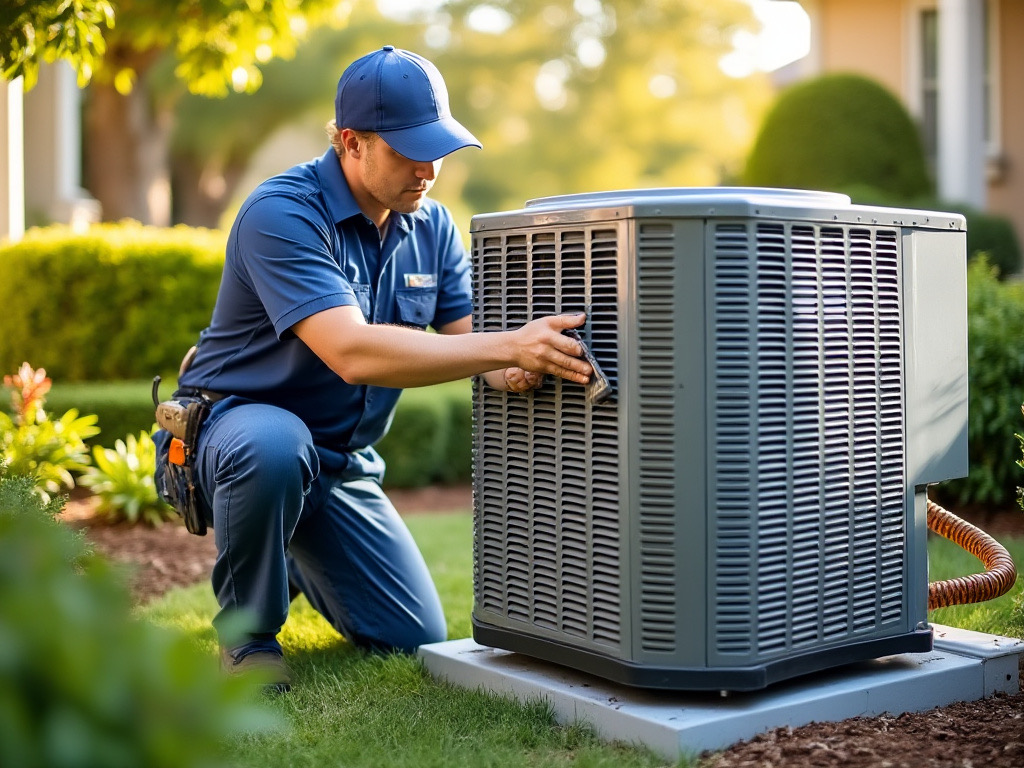
Inspecting the Evaporator and Condenser Coils
Inspecting the evaporator and condenser coils is essential for maintaining the efficiency of a refrigeration system. These coils play a critical role in the heat exchange process. A technician should examine the evaporator coil for dirt, ice buildup, and any corrosion. Blocked airflow due to debris can lead to inefficient cooling, while ice accumulation suggests issues with airflow or refrigerant levels. A thorough inspection helps identify these problems before they escalate.
The condenser coil also requires careful evaluation. It typically accumulates dirt and dust from the environment, which can impair its function. If the coil is not operating at optimal levels, it may cause the system to overheat and lead to compressor failure. Regular inspections are vital for ensuring that both coils are in good condition. Addressing concerns with the coils promptly contributes to the longevity of the entire system. These procedures are integral to effective refrigeration system installation and repair.
Cleaning and Maintenance Tips
Regular cleaning of evaporator and condenser coils plays a crucial role in the efficiency of a refrigeration system. Dirt and debris can accumulate on these coils, hindering heat exchange and forcing the system to work harder. A clean coil can improve energy efficiency, prolong the life of the system, and enhance its overall performance. It's advisable to schedule routine cleaning at least once or twice a year to ensure optimal conditions. Additionally, inspecting the coils for signs of wear can prevent future complications during refrigeration system installation and repair.
Routine maintenance extends beyond cleaning coils. Checking and replacing air filters regularly can also improve airflow and efficiency. Inspect all electrical connections for signs of wear or corrosion, as these can lead to operational failures. Lubricating moving parts and ensuring proper refrigerant levels are also vital to smooth operation. Taking these proactive steps not only helps in maintaining the system but also prepares it for any potential refrigeration system installation and repair that may be needed in the future.
Assessing the Expansion Device
The expansion device plays a crucial role in the refrigeration cycle, regulating the flow of refrigerant into the evaporator. A properly functioning expansion device ensures that the refrigerant is converted into a low-pressure vapor before entering the evaporator coils. This not only enhances the efficiency of the refrigeration system but also maximizes cooling capabilities. Various types of expansion devices, such as thermostatic expansion valves and electronic expansion valves, serve to maintain the desired temperature and optimal performance under varying loads.
During the assessment of an expansion device, it is essential to check for signs of wear or malfunction. Inconsistent cooling or fluctuating pressure can indicate issues that require immediate attention. Regular inspections can help identify problems early, preventing further complications that may arise in the refrigeration system. For effective management, individuals should consider professional services provided by experts in Refrigeration System Installation and Repair, ensuring that their systems function smoothly and efficiently over time.
Types and Functions of Expansion Devices
Expansion devices play a critical role in refrigeration systems by regulating the flow of refrigerant into the evaporator. These devices help maintain the correct pressure and temperature for optimal performance. Common types include thermostatic expansion valves (TXVs), fixed orifice expansions, and electronic expansion valves. Each type serves a specific function, adjusting the refrigerant flow based on temperature variations, system load, and other operational parameters.
Understanding these devices is essential for effective refrigeration system installation and repair. A well-functioning expansion device ensures efficient heat absorption and system stability. Improper operation can lead to inadequate cooling performance, compressor damage, and increased energy consumption. Selecting the right type of expansion device based on the specific application enhances the efficiency and lifespan of the refrigeration system.
Conducting a Leak Test
Conducting a leak test is essential for diagnosing issues within a refrigeration system. This process helps to identify refrigerant leaks that can significantly affect system efficiency and performance. Technicians typically use various methods such as electronic leak detectors, bubble solutions, or UV dye. The choice of method may depend on the type of refrigerant used and the specific location of the suspected leak.
Accurate leak detection is crucial for effective refrigeration system installation and repair. Detecting leaks early not only prevents refrigerant loss but also ensures the safety and reliability of the system. Once a leak is confirmed, appropriate repair actions can be taken to restore proper functionality. Maintaining a leak-free system is vital for optimal operation and energy efficiency.
Methods for Detecting Refrigerant Leaks
Detecting refrigerant leaks is crucial for maintaining the efficiency of a refrigeration system. One common method involves using electronic leak detectors, which can identify even small amounts of refrigerant in the air. These devices work by sensing the specific gases within the refrigerant blend. Another effective approach is soap bubble testing, where a soap solution is applied to potential leak points. If bubbles form, it indicates the presence of escaping refrigerant.
In addition to these techniques, ultraviolet (UV) dye can be introduced into the system. This dye circulates with the refrigerant and can be detected under UV light if any leaks develop. Regular maintenance and inspection are essential for the longevity of the system. Engaging professionals trained in refrigeration system installation and repair ensures that any leaks are diagnosed accurately and efficiently, safeguarding both performance and safety.
FAQS
What are the first steps in diagnosing a refrigeration system?
The first steps include inspecting the evaporator and condenser coils for any signs of damage or dirt buildup, as well as ensuring that the airflow is unobstructed.
How often should the evaporator and condenser coils be cleaned?
It is recommended to clean the evaporator and condenser coils at least once a year, but more frequent cleaning may be necessary if the system is in a dusty or high-use environment.
What is the purpose of the expansion device in a refrigeration system?
The expansion device regulates the flow of refrigerant into the evaporator coil, ensuring that the system operates efficiently and effectively by maintaining the correct pressure and temperature.
What are some common methods for detecting refrigerant leaks?
Common methods for detecting refrigerant leaks include using electronic leak detectors, soap solution tests, and ultraviolet dye leak detection.
How can I tell if my refrigeration system has a leak?
Signs of a leak can include decreased cooling efficiency, frost buildup on refrigerant lines, hissing noises, or an increase in energy bills, which suggests that the system is working harder than usual.